PsychNewsDaily Publishers
100 Summit Drive
Burlington, MA, 01803
Telephone: (320) 349-2484
PsychNewsDaily Publishers
100 Summit Drive
Burlington, MA, 01803
Telephone: (320) 349-2484


Attention is a crucial cognitive function affecting perception, engagement, and mental health, influenced by factors like sleep, stress, and environmental distractions.

Identity development is influenced by psychological, social, and environmental factors, with key stages occurring during childhood, adolescence, and adulthood, shaped by relationships and experiences.
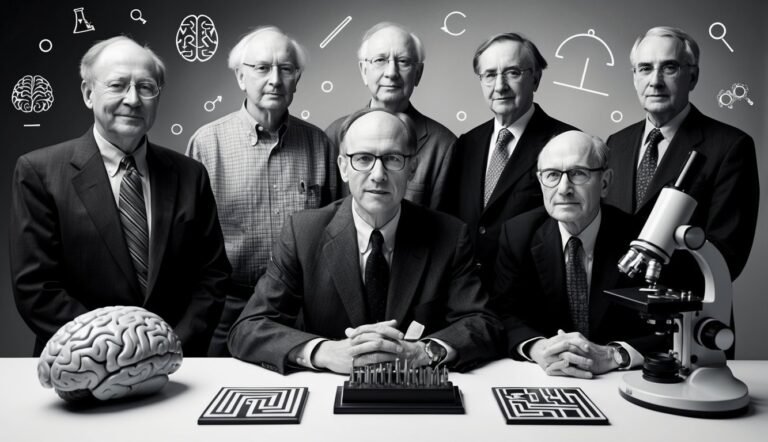
Psychology encompasses various theoretical frameworks, including structuralism, functionalism, behaviorism, and cognitive psychology, shaping our understanding of mental processes and human behavior.

Obsessive-Compulsive Disorder features intrusive thoughts and repetitive behaviors, significantly disrupting daily functioning, relationships, and overall quality of life, necessitating effective treatment and management strategies.

Social influence impacts human behavior through psychological processes, shaping thoughts, emotions, and actions in various contexts, including conformity, compliance, and group dynamics.

Major Depressive Disorder significantly impacts mood, cognition, and behavior, characterized by persistent sadness, loss of interest, and functional impairments, affecting millions globally.

Parenting styles significantly influence child development, with authoritative methods fostering independence and self-esteem, while authoritarian approaches can lead to anxiety and behavioral issues.

Industrial-Organizational Psychology applies psychological principles to workplace settings, focusing on employee productivity, well-being, assessment, training, organizational development, and leadership effectiveness to improve overall performance.

Depression is a complex mood disorder affecting millions, characterized by persistent sadness, loss of interest, and symptoms impacting emotional, cognitive, and physical health across various demographics.

A recent study by researchers at Harvard Business School, Bilkent University, and the University of Pennsylvania shows AI companions can significantly alleviate loneliness through simulated human interaction.