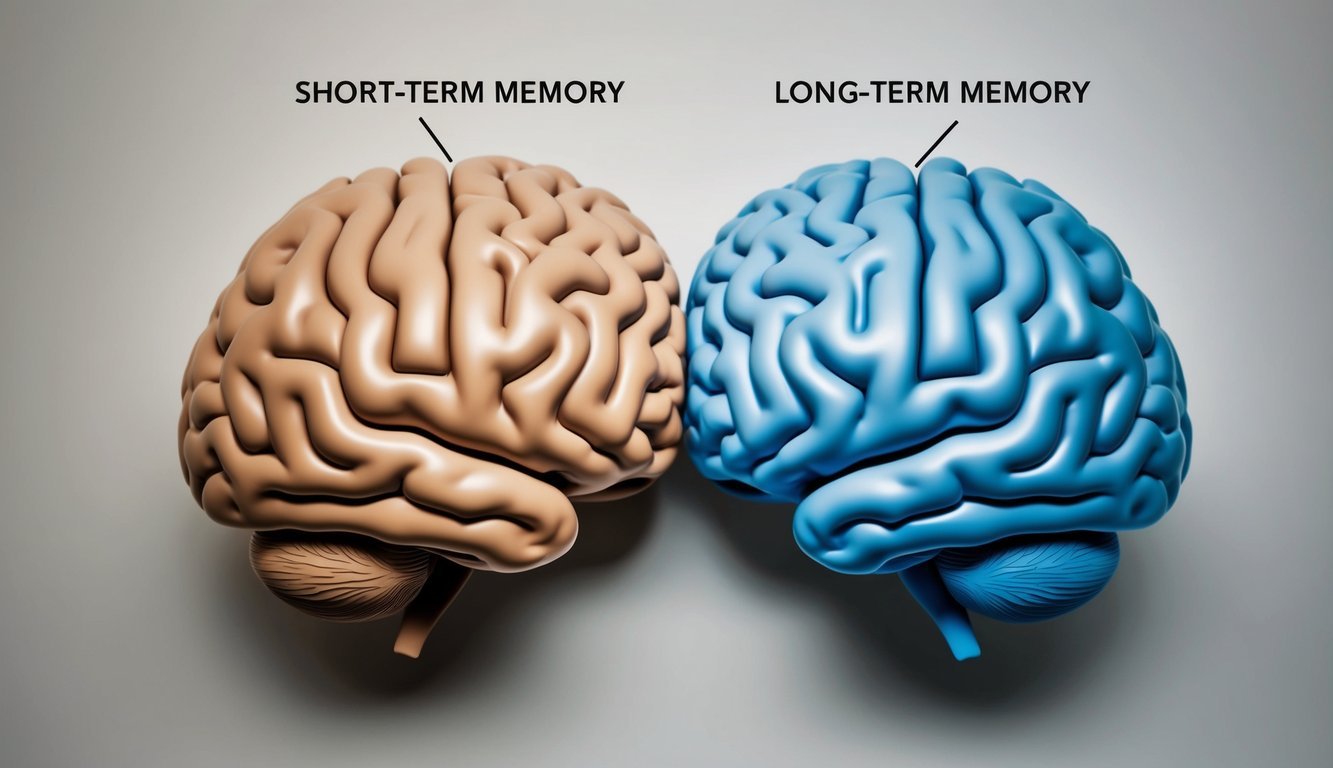
The human brain consists of the cerebrum, brainstem, and cerebellum, coordinating cognition, behavior, and bodily functions through interconnected regions and specialized cell types.
Memory systems include sensory, short-term, and long-term memory, each with distinct functions, capacities, and encoding processes that influence learning and cognitive performance.
Cognitive psychology examines mental processes such as memory, perception, and decision-making, utilizing theories like information processing and cognitive development to understand human behavior.
Problem-solving entails identifying, analyzing, and resolving issues through cognitive processes like reasoning and creativity, employing structured methods to achieve specific objectives across various contexts.
Perception involves the brain’s organization and interpretation of sensory data, shaped by experiences, attention, and cognitive processes, allowing individuals to understand and interact with their environment.