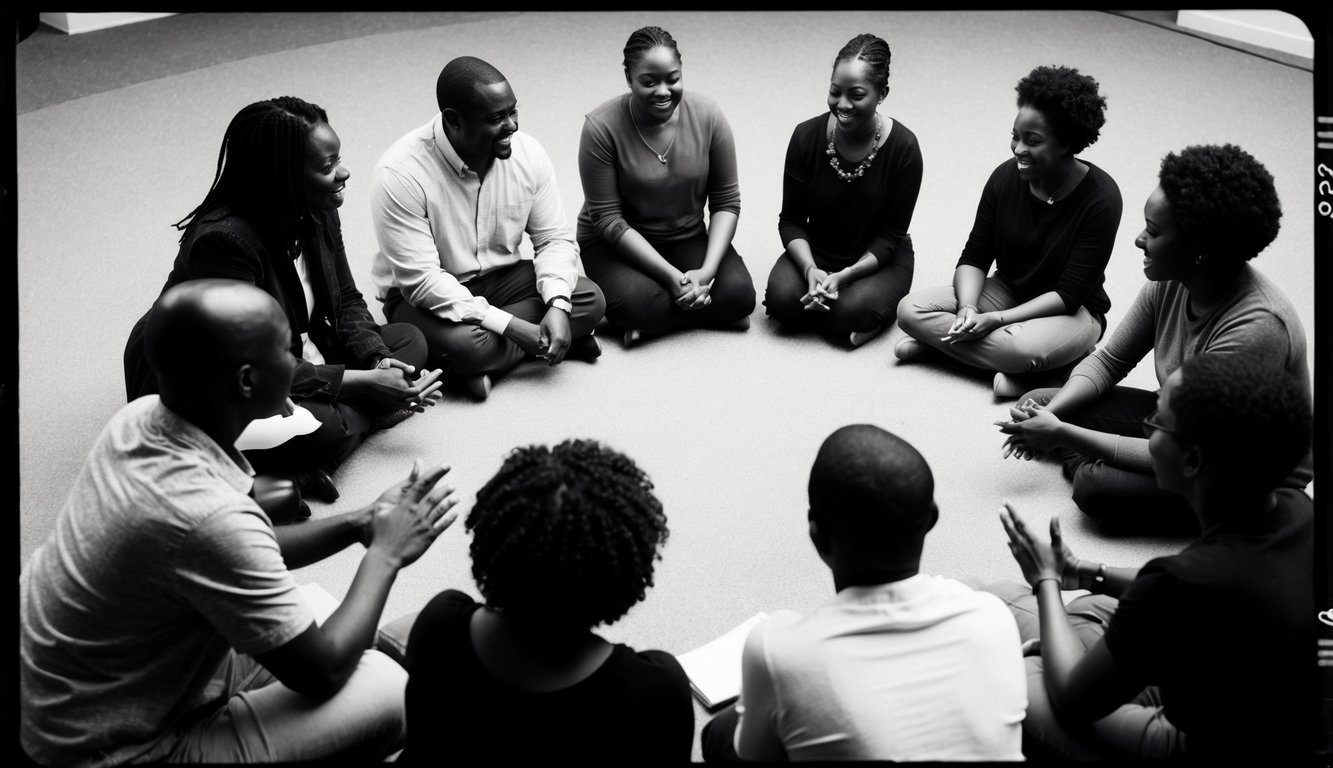
Group dynamics encompass interactions, behaviors, and processes within groups, influencing their formation, development, communication styles, decision-making methods, and overall performance and satisfaction.
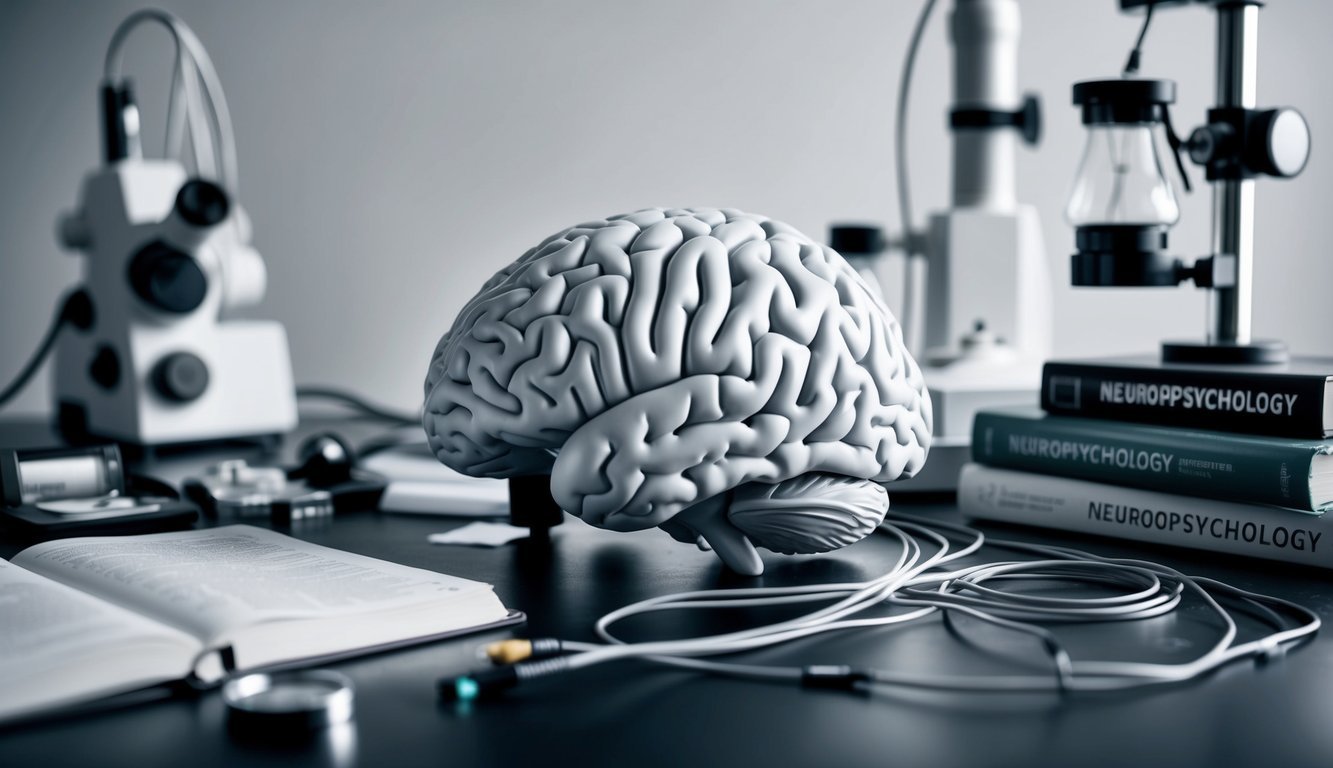
Neuropsychology connects neurology and psychology, focusing on brain-behavior relationships, cognitive assessments, treatment strategies, and interdisciplinary collaboration for diagnosing neurological disorders and cognitive deficits.
Obedience serves as a crucial foundation for social harmony, influenced by authority dynamics, psychological mechanisms, cultural practices, and spiritual teachings, shaping individual behavior and ethics.
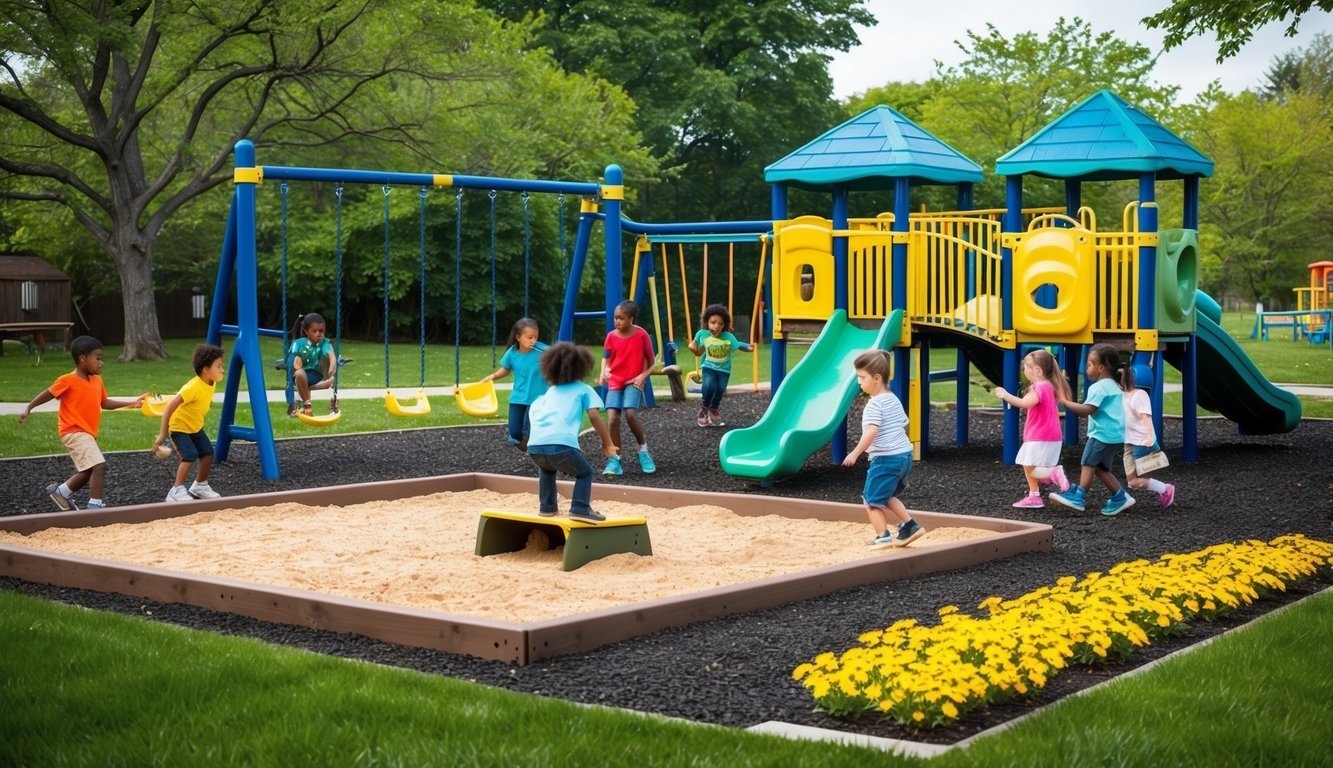
Child development encompasses physical, cognitive, language, and social-emotional growth, influenced by early experiences, environmental factors, and societal support systems throughout infancy to adolescence.
Effective communication fosters intimacy and understanding, essential for emotional support, conflict resolution, and relationship satisfaction. Key skills include active listening, empathy, honesty, and respect.
Effective time management involves prioritizing tasks, setting clear objectives, and utilizing strategies like the Eisenhower Matrix and Pomodoro Technique to enhance productivity and reduce stress.