PsychNewsDaily Publishers
100 Summit Drive
Burlington, MA, 01803
Telephone: (320) 349-2484
PsychNewsDaily Publishers
100 Summit Drive
Burlington, MA, 01803
Telephone: (320) 349-2484

Not 21 days. Studies put the average at about two months for a simple daily habit, with a huge range from person to person.
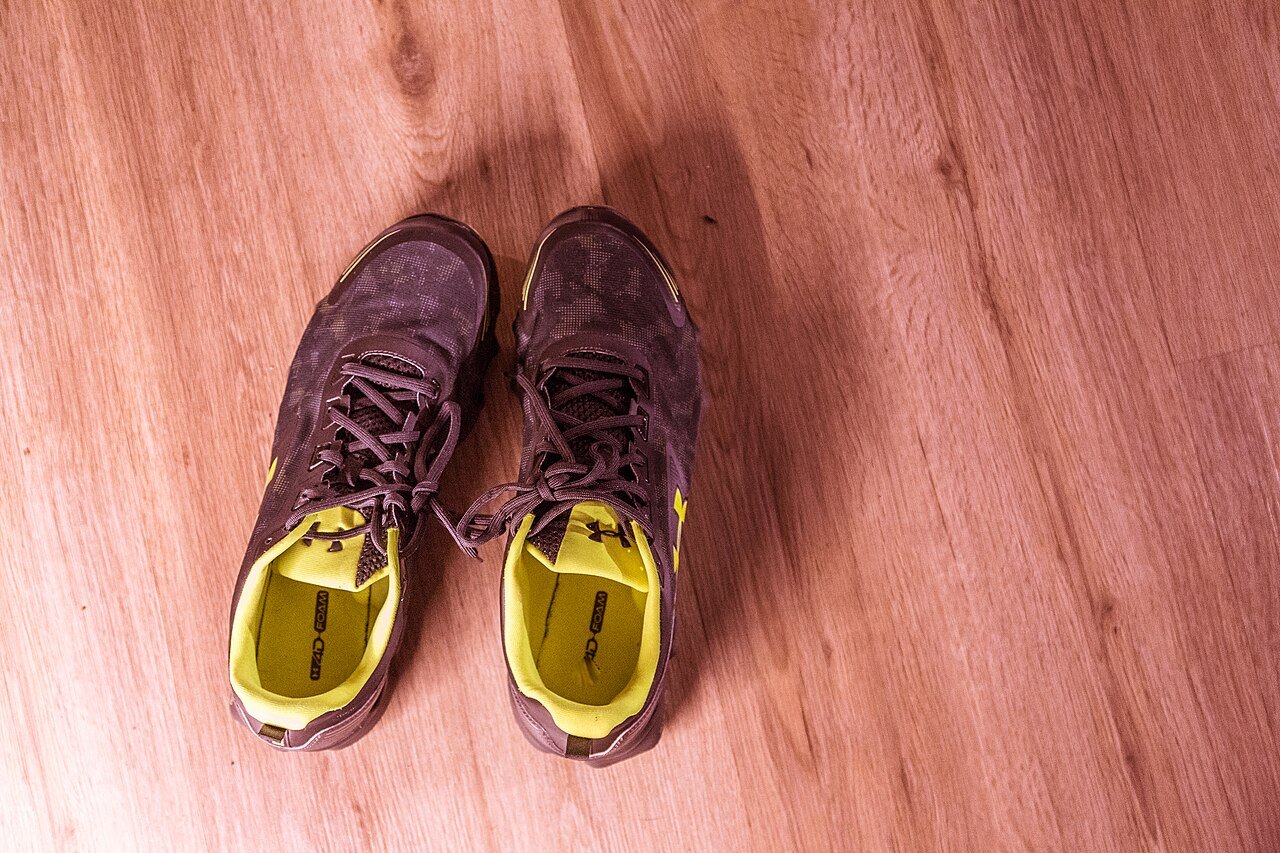
The popular answer is 21 days. The research says it usually takes about two months, and often much longer.
The 21-day figure traces back to the 1960 self-help book Psycho-Cybernetics by plastic surgeon Maxwell Maltz, who noticed that patients took around three weeks to get used to a changed appearance.
That was an observation about adjusting to change, not a measurement of how habits form, but the number stuck.
The best-known test comes from a team at University College London led by health psychologist Phillippa Lally, published in the European Journal of Social Psychology.
Ninety-six volunteers each picked one new daily behavior tied to a cue, such as drinking water with lunch or going for a run before dinner, and reported every day for 84 days how automatic it felt.
For the participants whose data showed a clear pattern, it took 66 days on average for the behavior to reach its peak level of automaticity.
The spread was huge: from 18 days for the fastest to a projected 254 days for the slowest.
A systematic review and meta-analysis led by Ben Singh at the University of South Australia, published in Healthcare in December 2024, pooled 20 studies with 2,601 participants.
The studies that tracked timing found median times of 59 to 66 days, with averages of 106 to 154 days, and individual results ranging from 4 to 335 days.
The habits studied included exercise, healthy eating, drinking water, flossing and taking vitamins.
Tie it to a cue. Every behavior in the UCL study was linked to a fixed daily trigger, such as a meal, so the habit had a clear moment to attach to.
Put it in your morning. Singh has said the data show people are more likely to succeed when they add a new practice to their morning routine.
Pick something you enjoy, and plan it. Enjoyment and a concrete plan for when you will do it both made habits more likely to stick.
Missing a day is not fatal. In the UCL study, a single missed day had little effect on progress. Repeated misses did add up, so aim for consistency rather than a perfect streak.
Start simple. Exercise habits took about one and a half times as long to become automatic as new eating or drinking habits, so a modest version you can repeat daily beats an ambitious plan you abandon.
Expect around two months for a simple daily habit to feel automatic, and longer for harder ones. If it still feels like effort after three weeks, nothing is wrong. You are simply on the normal timeline.
Image: Tony Webster, CC BY-SA 2.0, via Wikimedia Commons (source)