PsychNewsDaily Publishers
100 Summit Drive
Burlington, MA, 01803
Telephone: (320) 349-2484
PsychNewsDaily Publishers
100 Summit Drive
Burlington, MA, 01803
Telephone: (320) 349-2484



Recent neuroeconomic research reveals how brain regions, particularly the ventral striatum, influence consumer behavior, brand loyalty, and decision-making during shopping experiences.

Sports organizations are adapting social media strategies to maintain engagement, blending entertainment with competition to connect with audiences and enhance brand loyalty in a digital landscape.

A Canadian study found that hospitalization for hallucinogen use significantly increases the risk of developing schizophrenia spectrum disorder, with a 3.5-fold likelihood after adjustment for other factors.
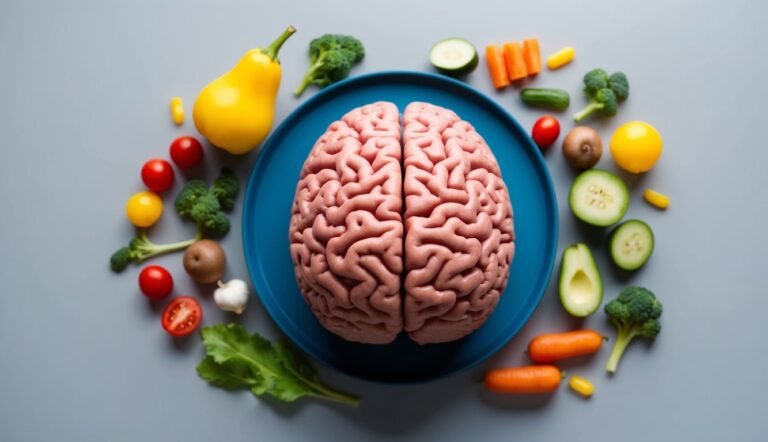
Research indicates that high visceral fat correlates with increased amyloid levels in the brain, potentially predicting Alzheimer's disease two decades before symptom onset.

A recent University College London study evaluates the effectiveness of surveillance technologies in mental health wards, raising ethical concerns and questioning their impact on patient care quality.

A study from the University of Surrey reveals that employing people with disabilities enhances guest experiences and loyalty in the hotel industry, promoting social responsibility.

Music significantly aids in dementia treatment by enhancing emotional well-being, promoting cognitive function, and offering a non-pharmacological approach to alleviate anxiety and agitation.

Recent research by Stefania Minardi and Andrei Savochkin reveals that memorable experiences significantly influence long-term decision-making, shaping behaviors related to risk-taking and saving strategies.

Recent research indicates that inhibiting the zDHHC enzyme may reduce cognitive decline in Alzheimer's disease, revealing potential new therapeutic strategies to combat neurodegeneration.
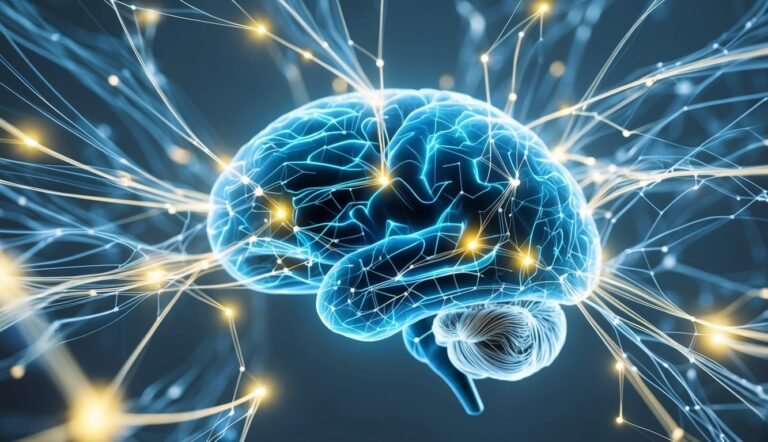
Large language models, particularly BrainGPT, achieved up to 86% accuracy in predicting neuroscience study outcomes, surpassing human experts' performance significantly.