PsychNewsDaily Publishers
100 Summit Drive
Burlington, MA, 01803
Telephone: (320) 349-2484
PsychNewsDaily Publishers
100 Summit Drive
Burlington, MA, 01803
Telephone: (320) 349-2484


Human sacrifice was a common ritual in ancient cultures, believed to appease gods and ensure safety, often replaced by animal sacrifices over time.

Art and architecture often conceal hidden symbols and messages, enriching their meaning and providing insights into the cultures, ideas, and stories of their time.

Penicillin, discovered by Alexander Fleming in 1928, revolutionized medicine as the first antibiotic, saving millions from deadly infections through an accidental observation of mold.
People historically used bizarre remedies like sitting in dead whales, cat pianos, and animal dung to treat ailments, reflecting their evolving understanding of health and medicine.
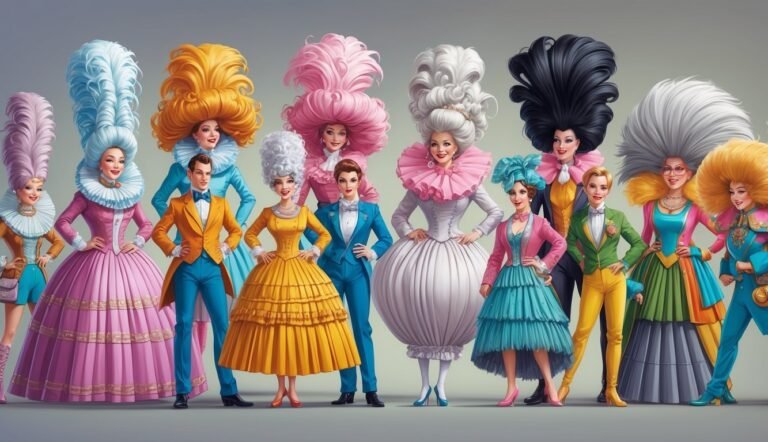
Fashion trends have historically prioritized style over comfort, leading to bizarre styles such as towering platform shoes, restrictive corsets, and hazardous poisonous fabrics.

Weapons have historically transformed warfare by altering strategies and outcomes, from the longbow's range to the atomic bomb's destructive power, reshaping civilizations and battles.
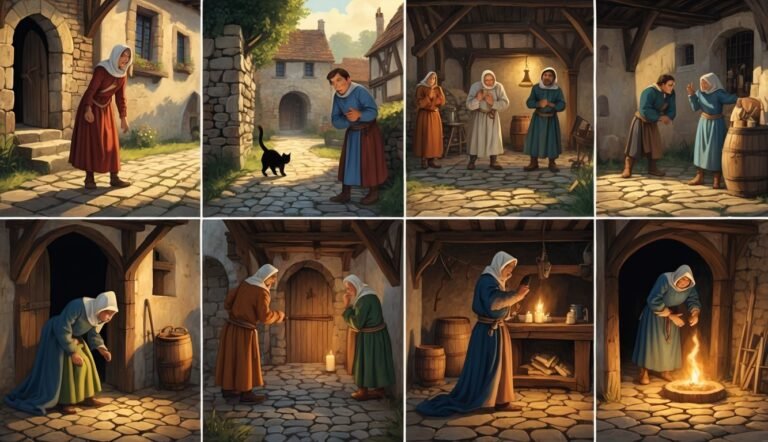
The Middle Ages were characterized by superstitions influencing daily life, with beliefs like avoiding black cats, carrying bread for protection, and using garlic against witches.
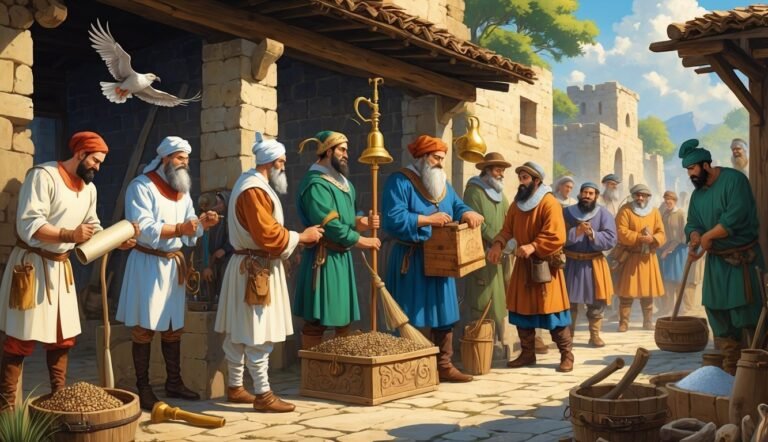
Ancient jobs included professional mourners in Egypt, Roman line-standers, temple sleepers, knocker-ups, royal toilet attendants, leech collectors, dream interpreters, rat catchers, and scribes.
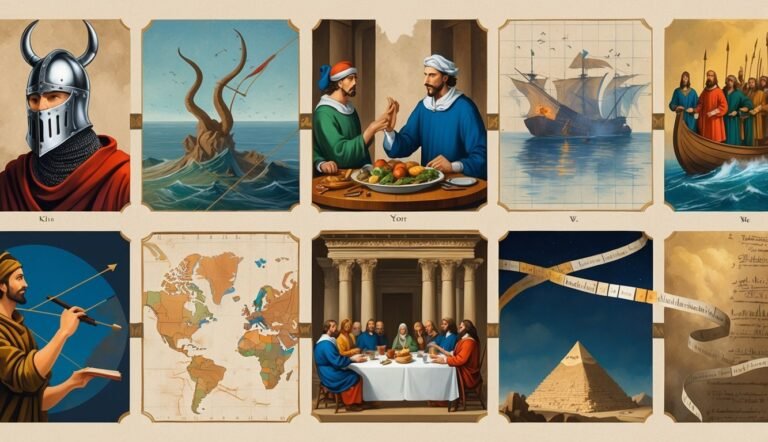
Vikings did not wear horned helmets; this myth originated in the 1800s for dramatic effect. Real helmets were practical and simple, emphasizing their skills instead.

Castles are rich in history, often associated with haunting legends, hidden tunnels, ghostly apparitions, and dark political intrigues that reveal their complex pasts.