PsychNewsDaily Publishers
100 Summit Drive
Burlington, MA, 01803
Telephone: (320) 349-2484
PsychNewsDaily Publishers
100 Summit Drive
Burlington, MA, 01803
Telephone: (320) 349-2484

Accidental discoveries, like penicillin by Alexander Fleming and vulcanized rubber by Charles Goodyear, have significantly transformed medicine, cooking, and materials, impacting daily life profoundly.
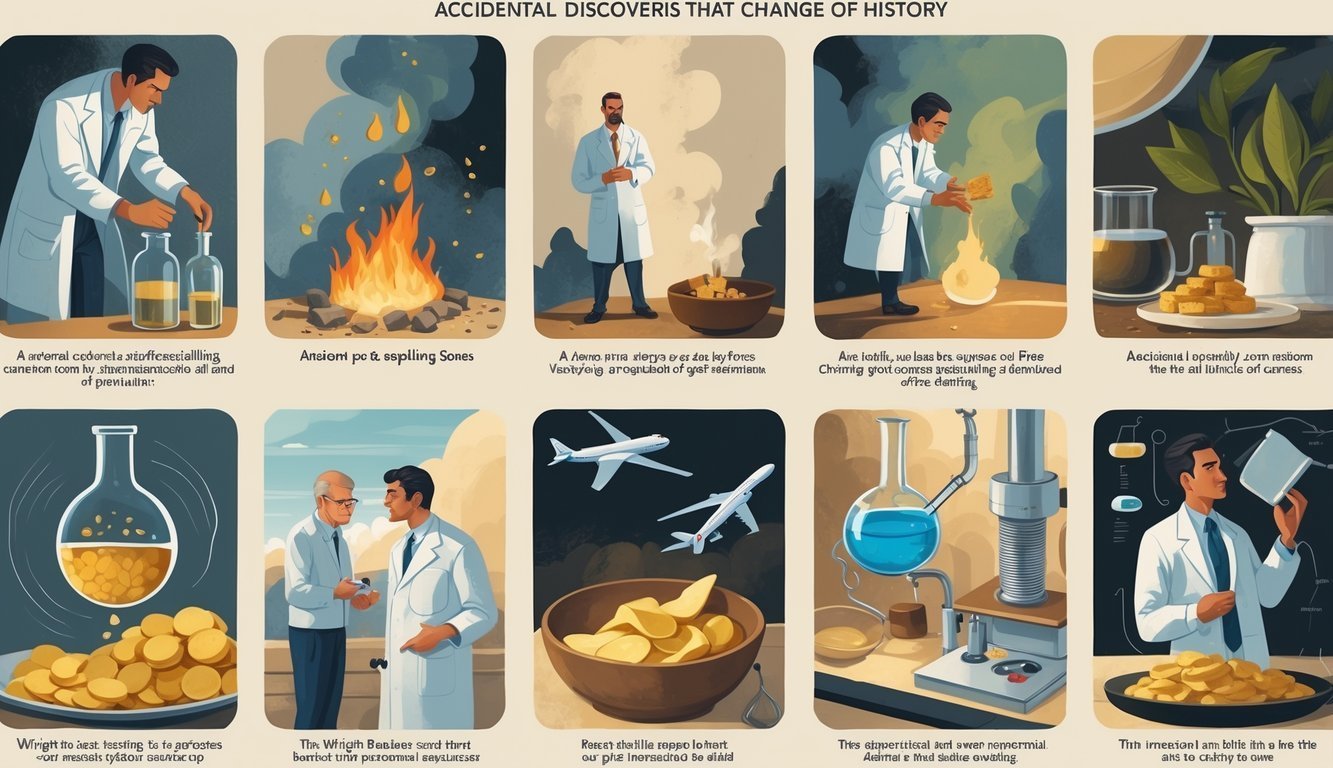
Sometimes, history takes wild turns when people least expect it. Some of the biggest discoveries happened by pure accident, completely changing the way we live.
Here are nine amazing accidental discoveries that really altered our world. These stories remind us that a bit of luck and curiosity can spark incredible breakthroughs.
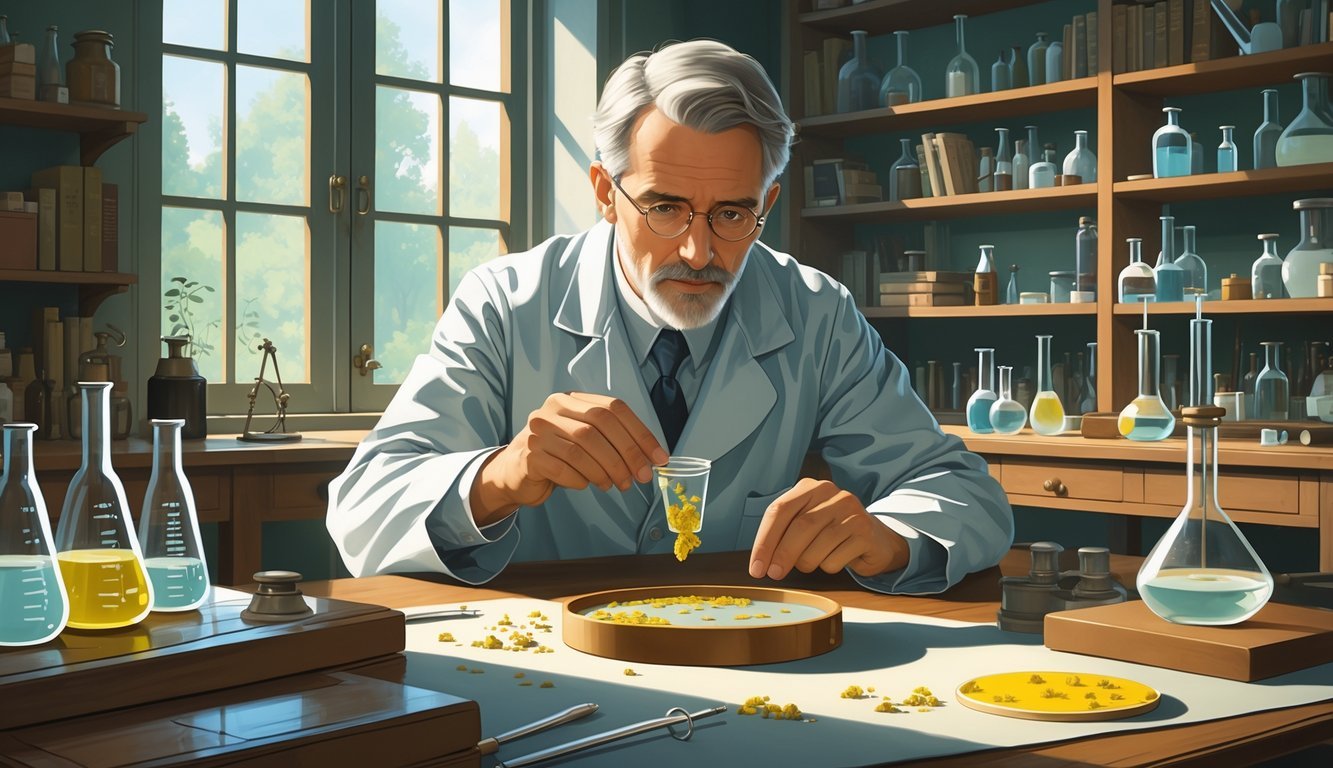
Picture this: Alexander Fleming walks into his lab and notices a mold killing bacteria on a petri dish. He didn’t plan it, but he realized Penicillium notatum had stopped those germs cold.
This moment flipped medicine on its head. Before penicillin, infections could be a death sentence.
Thanks to Fleming’s sharp eye, doctors finally had a way to beat dangerous infections. Millions of lives have been saved since then.
It’s honestly wild to think one messy petri dish kicked off a whole new age of medicine.
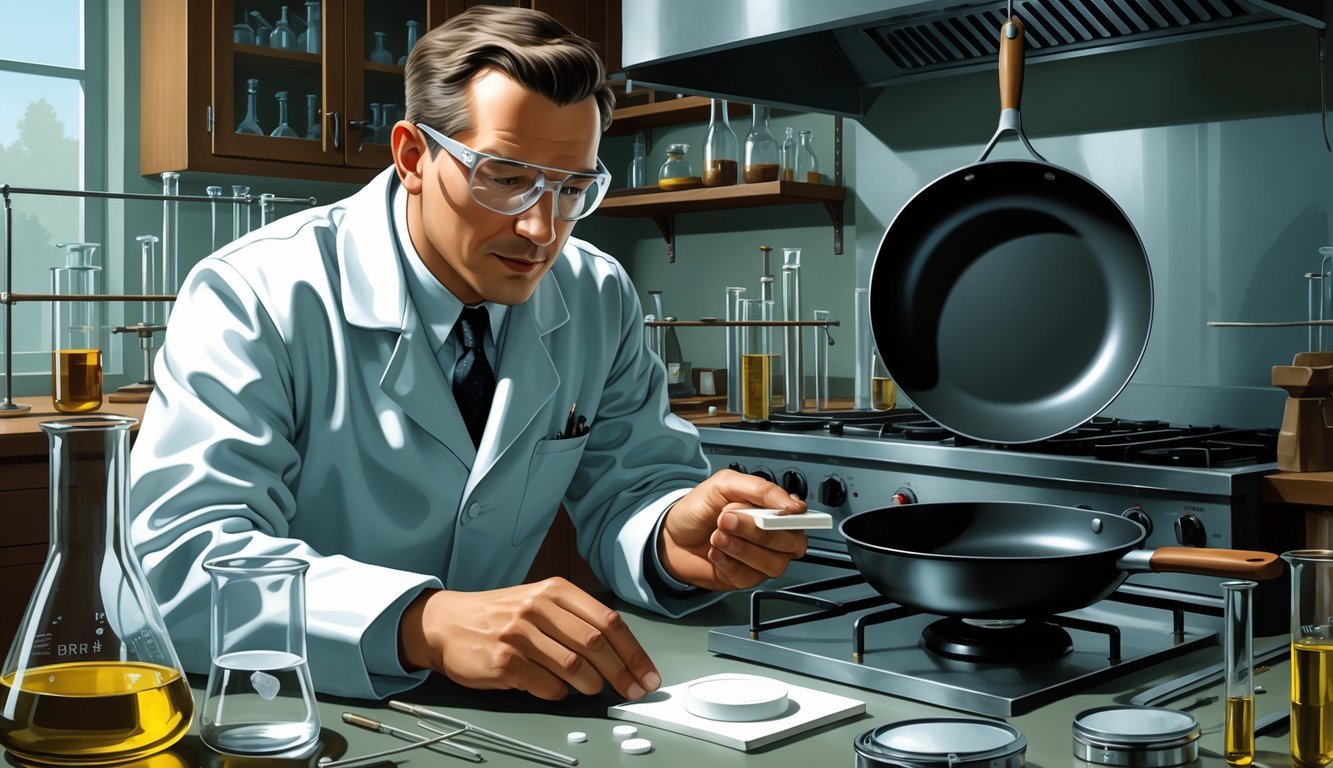
Ever wondered where that slick coating on your frying pan came from? In 1938, Roy Plunkett was messing around with chemicals and accidentally made a super slippery material called PTFE.
Suddenly, food wasn’t sticking to pans anymore. Cleanup got way easier.
But Teflon didn’t just stay in the kitchen. Industries everywhere started using it for its heat and chemical resistance.
So, every time you flip an egg or scrape a pan, you can thank Roy’s unexpected discovery.
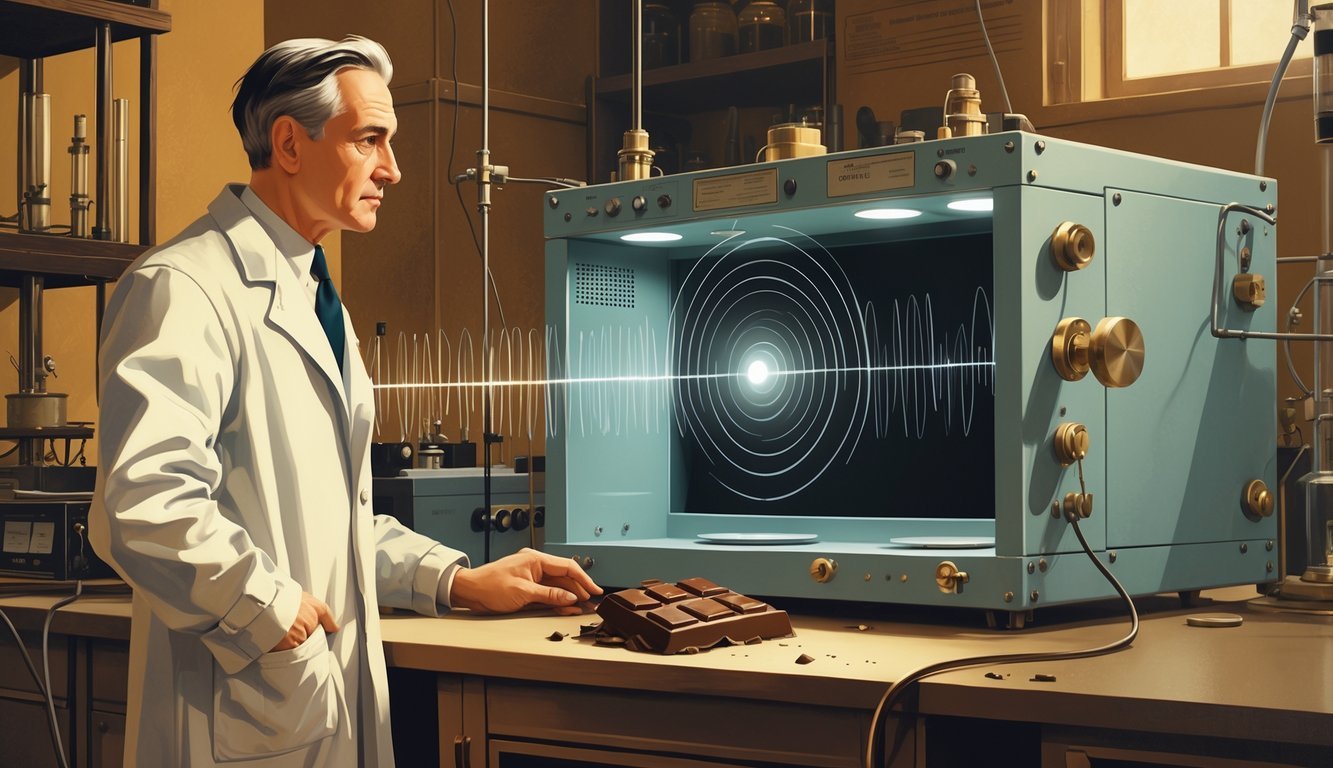
Here’s a weird one: Percy Spencer was working with radar gear during WWII when he noticed his chocolate bar had melted in his pocket.
He got curious and tried popping some popcorn and eggs near the radar’s magnetron. They cooked in seconds.
That spark of curiosity led to the first microwave oven. Now, heating up leftovers is a breeze.
It’s funny how a melted snack ended up changing kitchens everywhere.
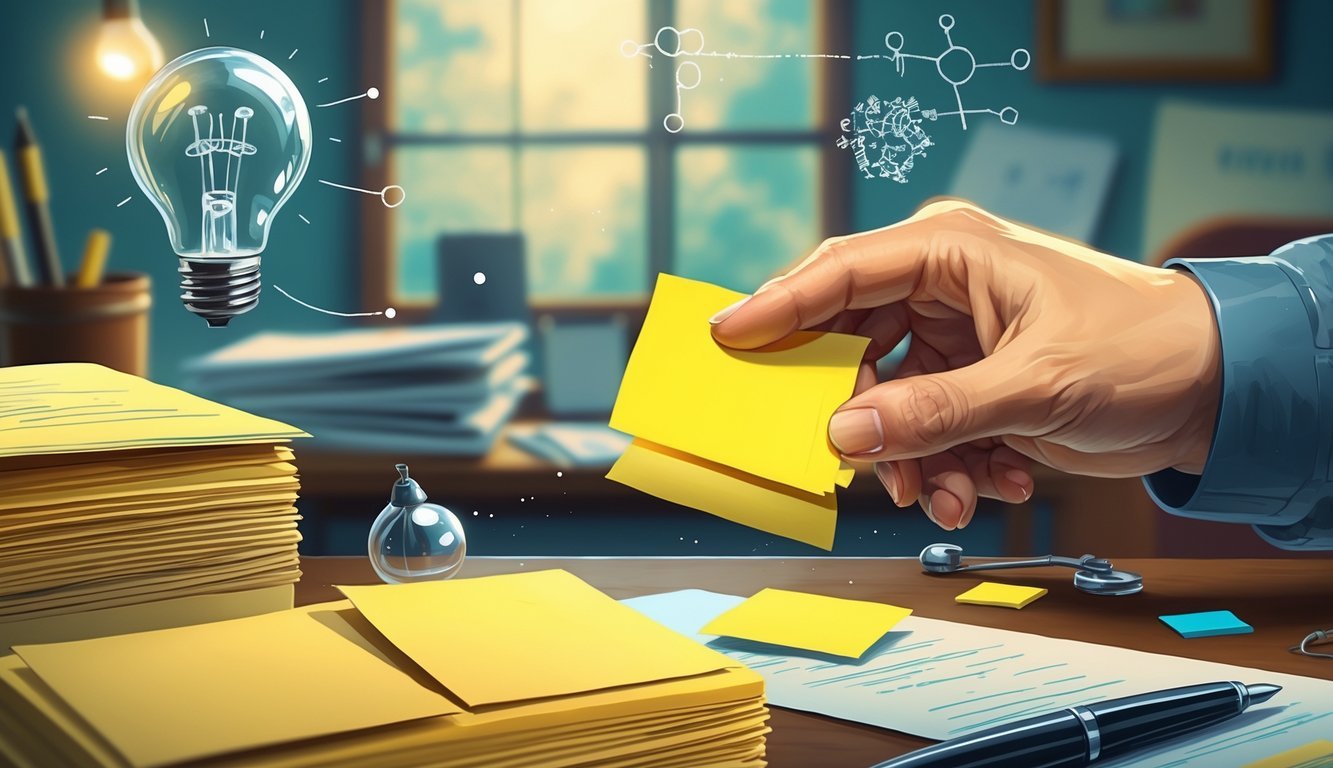
Spencer Silver at 3M tried making a super-strong glue in 1968, but what he got barely stuck at all. It peeled off cleanly and didn’t leave a mess.
At first, nobody had a clue what to use it for. The idea just sat there.
Then someone thought, “Hey, what about sticky notes?” And just like that, Post-its were born.
Now, you probably have them on your desk, computer, or fridge. Silver’s “mistake” turned into something people use every day.
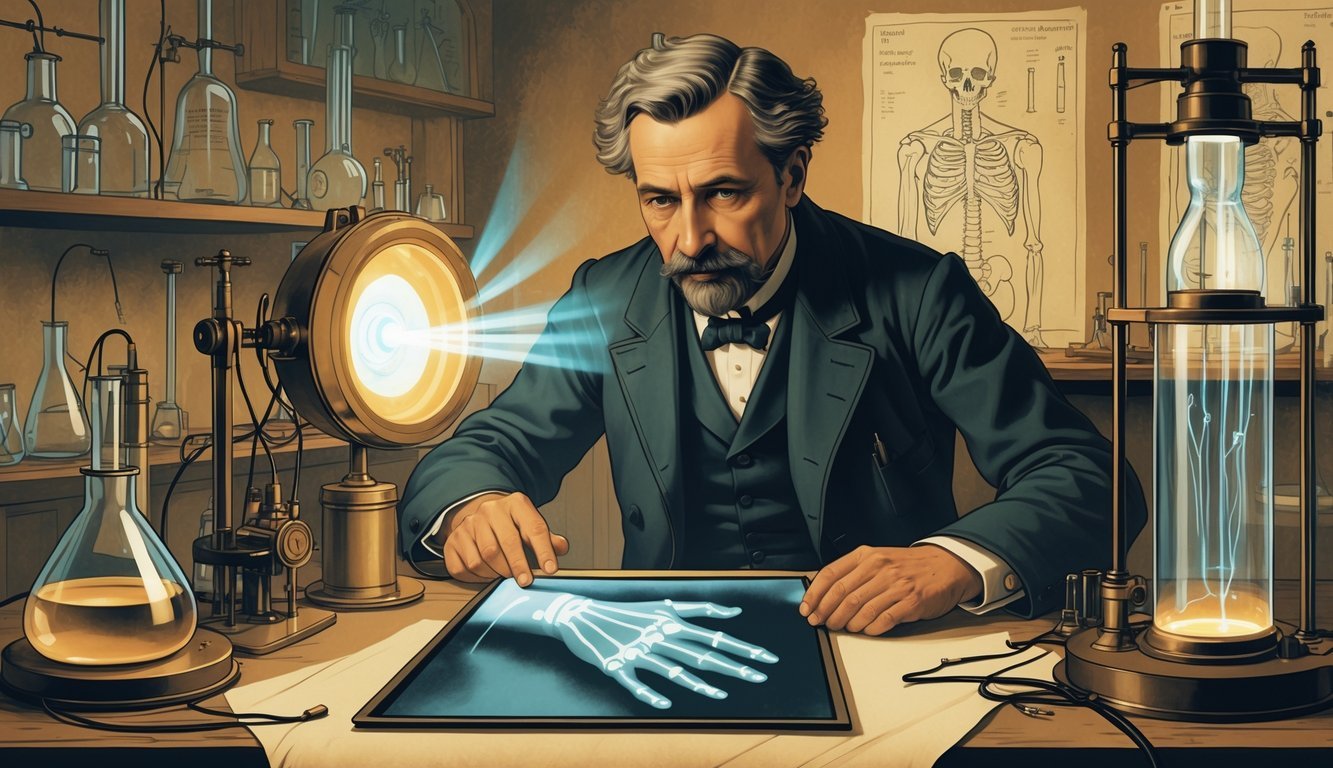
Wilhelm Röntgen was just messing around with electrical devices in a dark room in 1895. Suddenly, he noticed a weird glow on a screen nearby.
He realized these invisible rays could pass through objects—even flesh—showing bones underneath. That was wild!
Doctors now had a way to spot broken bones and diseases without surgery. X-rays totally changed medicine.
Every time you get an X-ray, you’re benefiting from Röntgen’s accidental breakthrough.
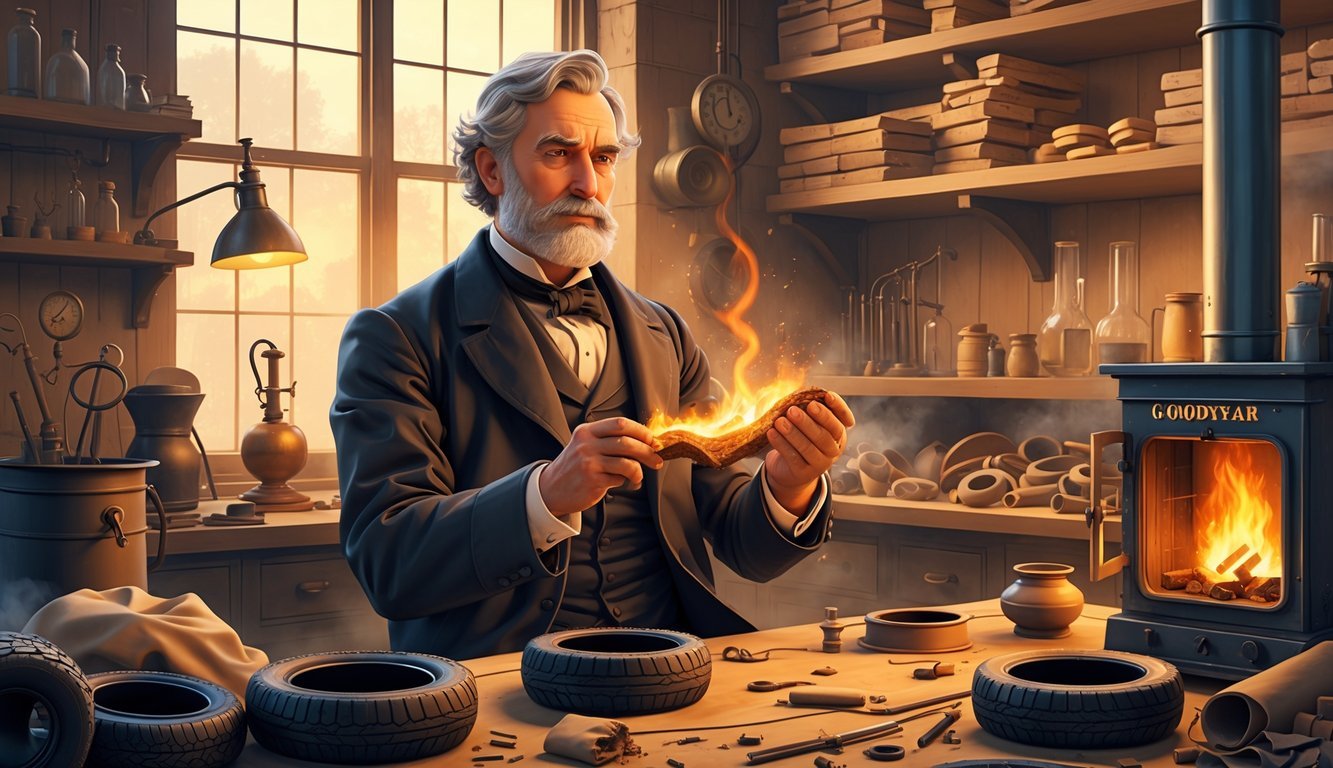
Charles Goodyear was tinkering with rubber in 1839 when he accidentally dropped a mix of rubber and sulfur onto a hot stove. Instead of melting, the rubber became tough and stretchy.
This process, called vulcanization, made rubber strong enough for tires, gloves, and erasers.
Thanks to Goodyear’s kitchen blunder, the rubber industry exploded. Your car tires owe a lot to that lucky moment.
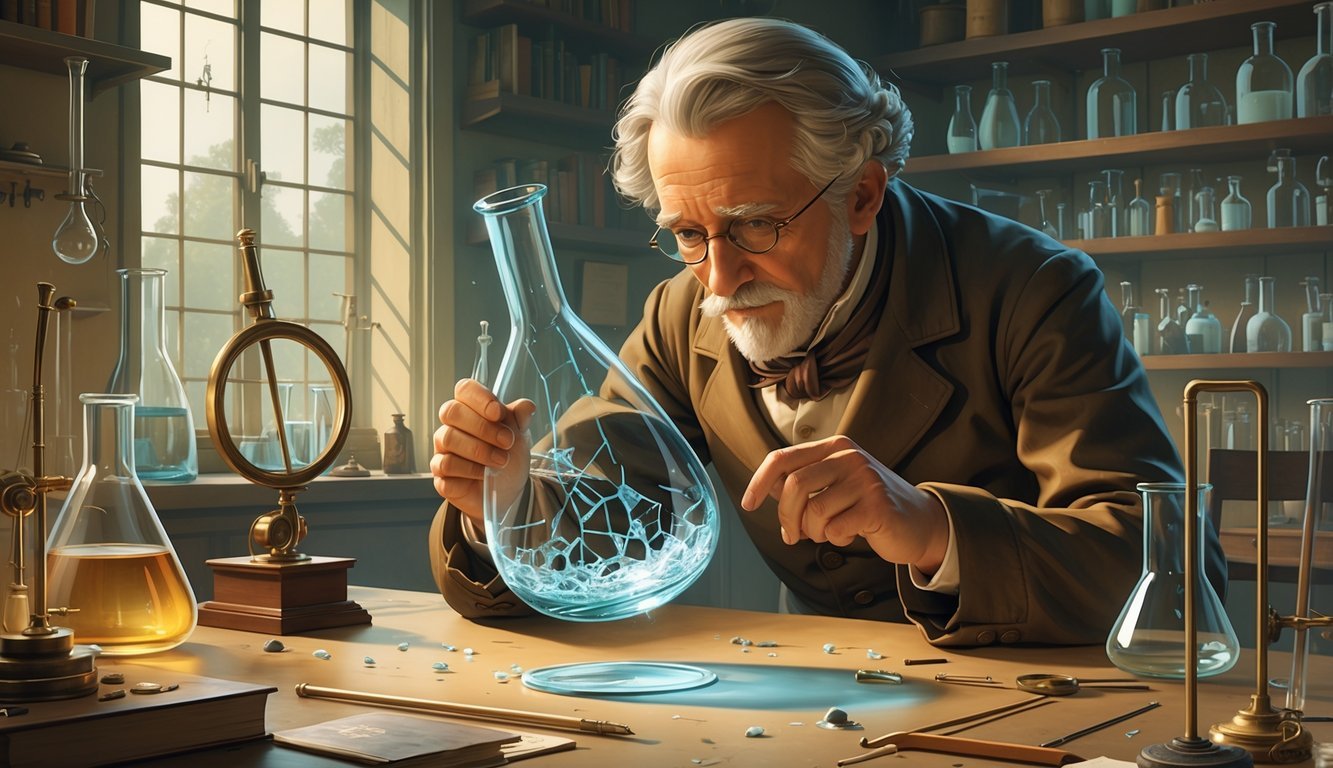
Back in 1903, Edouard Benedictus accidentally dropped a glass flask in his lab. Instead of shattering, the glass just cracked and held together.
Turns out, the flask had a thin plastic coating. That little detail made all the difference.
Benedictus figured out this could make glass much safer for cars and buildings. He invented laminated safety glass.
Now, your car windshield and lots of windows use this idea to keep you safe.
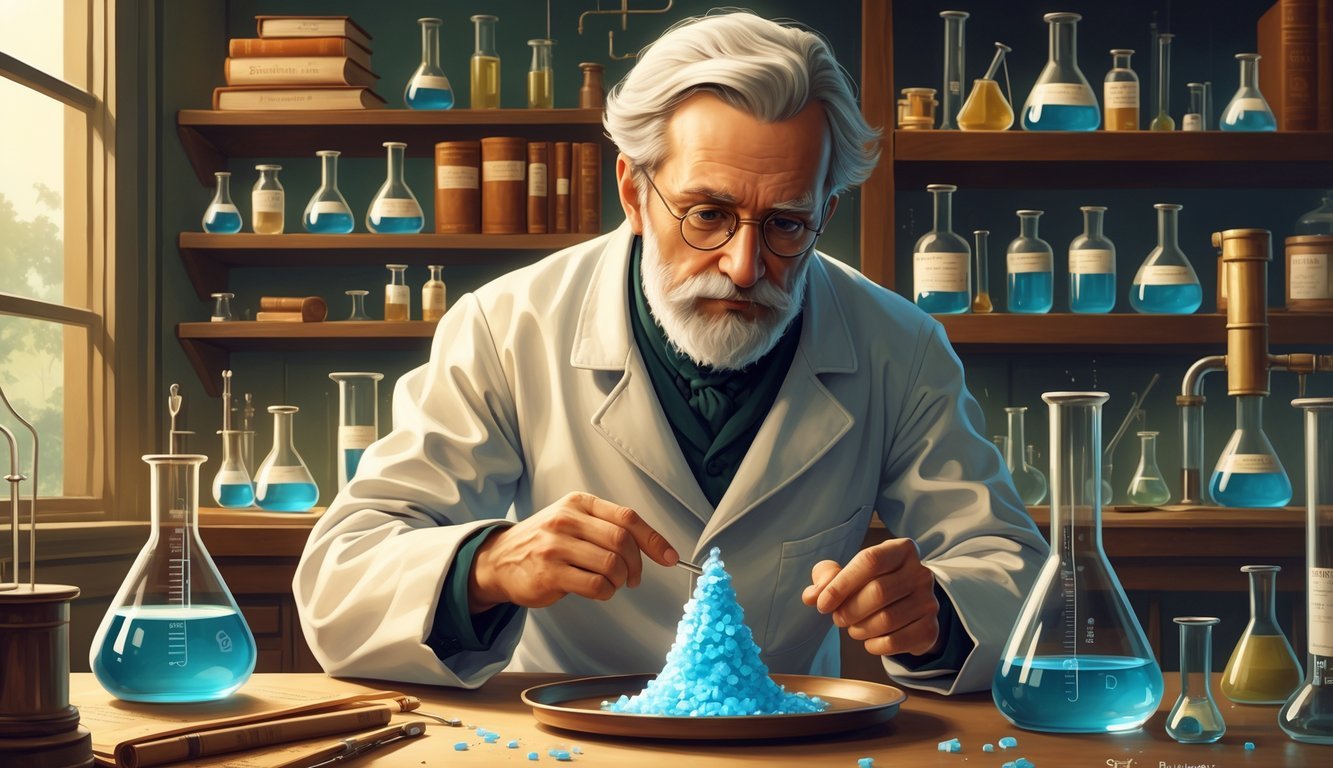
Constantin Fahlberg was working with chemicals from coal tar in 1879. One day, he forgot to wash his hands and tasted something sweet.
That odd taste led him to discover saccharin, the world’s first artificial sweetener.
It quickly became a cheap sugar substitute, changing how people sweeten their food.
Every sugar-free treat you enjoy today? You can thank Fahlberg’s accidental snack.
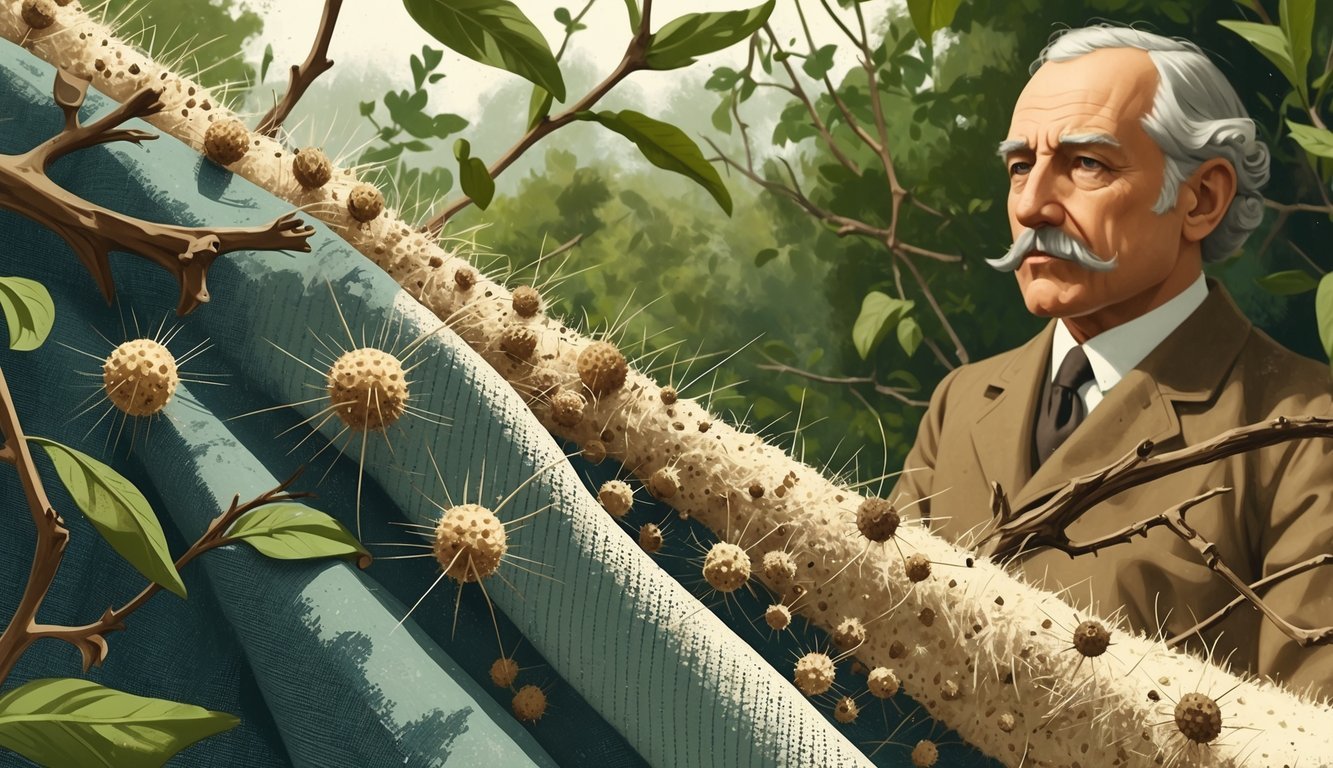
You’ve probably used Velcro a hundred times and never stopped to wonder where it came from. George de Mestral got the idea back in 1941, just from walking his dog.
Burrs kept clinging to his pants and his dog’s fur, which honestly sounds pretty annoying. But instead of brushing them off, he got curious.
He grabbed a microscope and checked out those burrs up close. Turns out, they have all these tiny hooks that latch onto loops in fabric and hair.
That little detail gave de Mestral a big idea. He decided to copy nature’s hook-and-loop trick and spent years tinkering until he made a fastener that actually worked.
So, next time you rip open your sneakers or a jacket, maybe pause for a second. All that convenience started with a stubborn burr and a guy who just couldn’t let it go.