PsychNewsDaily Publishers
100 Summit Drive
Burlington, MA, 01803
Telephone: (320) 349-2484
PsychNewsDaily Publishers
100 Summit Drive
Burlington, MA, 01803
Telephone: (320) 349-2484

Human sacrifice was a common ritual in ancient cultures, believed to appease gods and ensure safety, often replaced by animal sacrifices over time.
You might think history is just a list of old dates and famous names, but honestly, it’s packed with weird and unsettling stuff that would totally freak us out today. So many things people once shrugged off or saw as normal now seem downright cruel, risky, or just plain disturbing.

Here are 12 creepy historical practices that would absolutely horrify you if they happened now. You’ll get a peek at how different life was and why some of these things disappeared. It’s wild what people once considered normal!
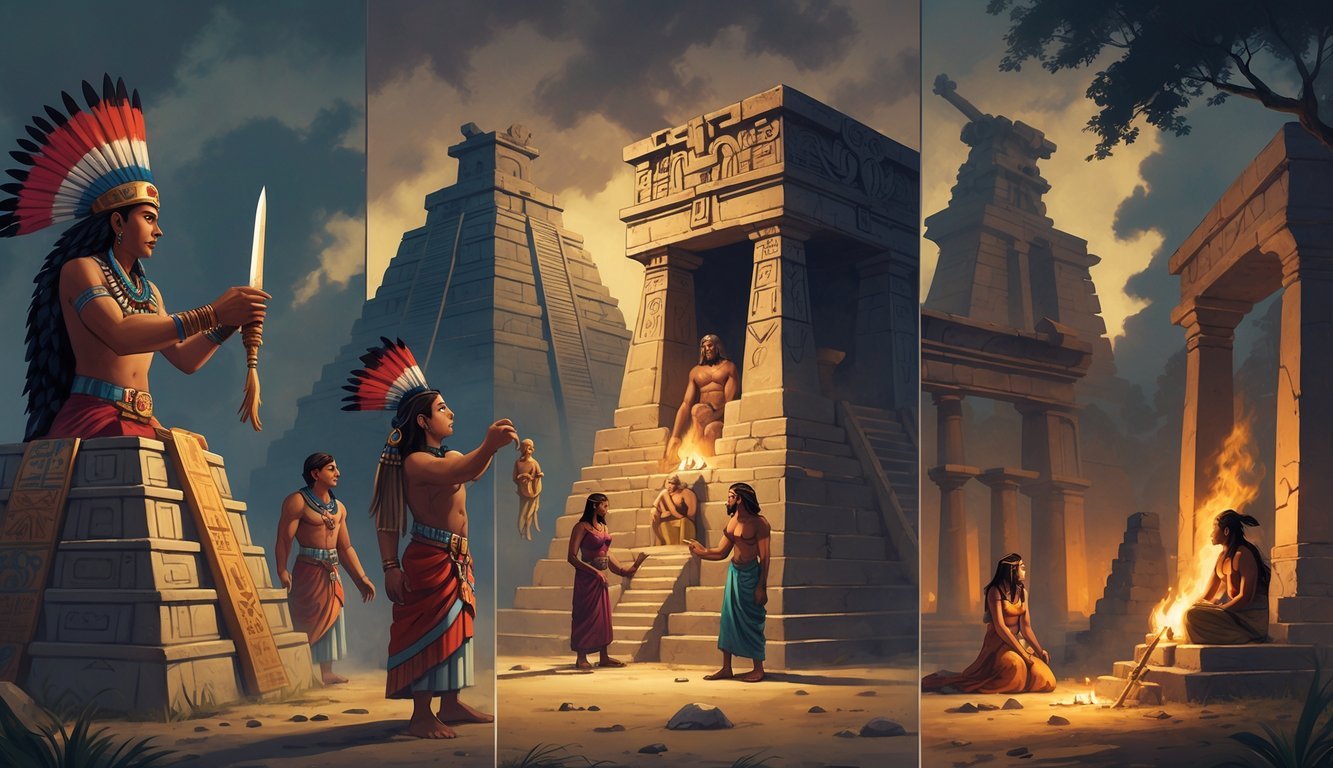
It’s hard to wrap your head around, but human sacrifice was a regular thing in a lot of ancient cultures. People thought sacrificing someone would please the gods or spirits and bring luck or safety.
Different groups had their own reasons for these rituals. Some believed it would prevent disasters or help crops grow.
In the Americas, they kept up these sacrifices even after Europeans showed up. The stories about gods demanding sacrifices mostly come from old myths and beliefs.
Over time, animal sacrifices replaced humans in some places, but the idea of giving a life to the gods stuck around for ages. If you think about it, these rituals show just how tightly people once tied religion to survival.
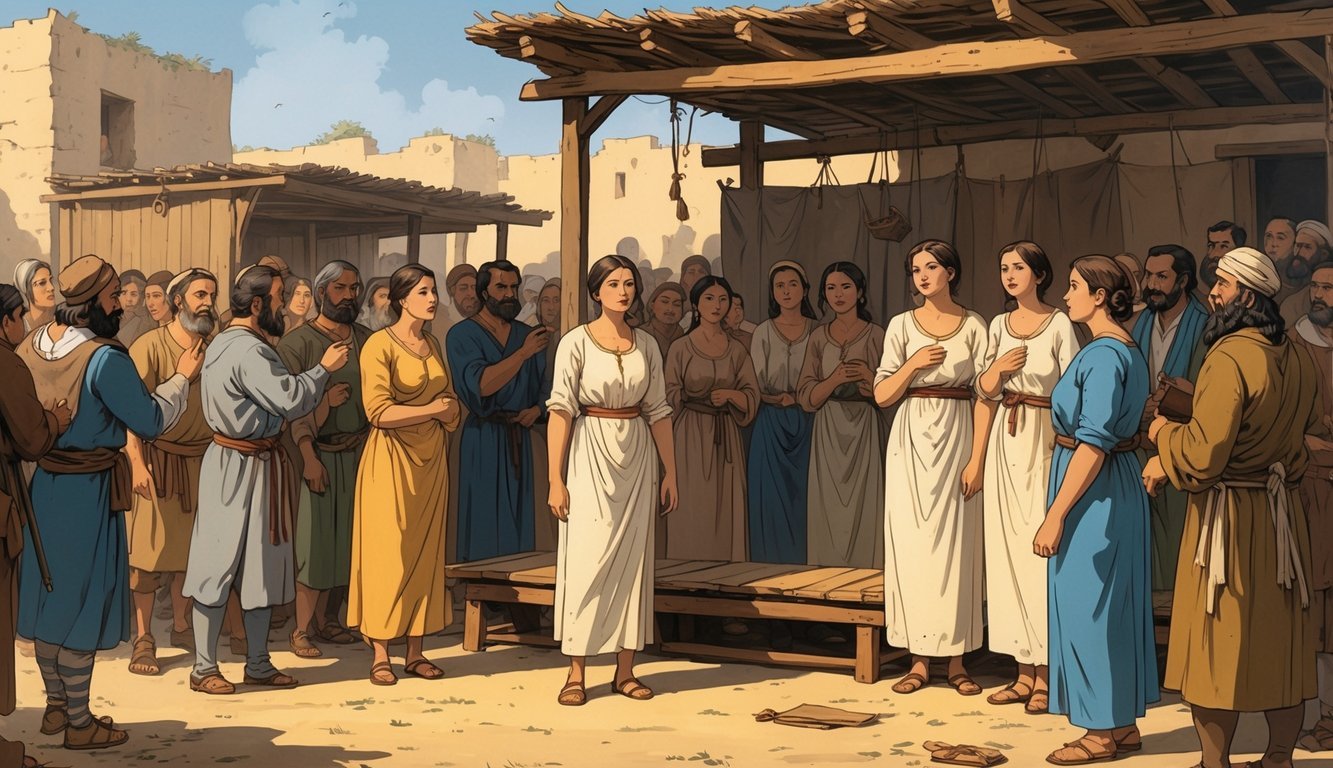
It’s wild, but in some early societies, men actually auctioned off their wives in public. Most of this happened in England between the late 1600s and the 1800s.
Divorce was nearly impossible, so selling a wife became a bizarre way to end a marriage. Picture a man leading his wife with a rope and selling her to the highest bidder.
If the wife agreed, people accepted the sale more easily. But if she protested, the sale could get messy.
These auctions were rowdy public events. By the mid-1800s, though, people’s views shifted as women’s rights and divorce laws got better.
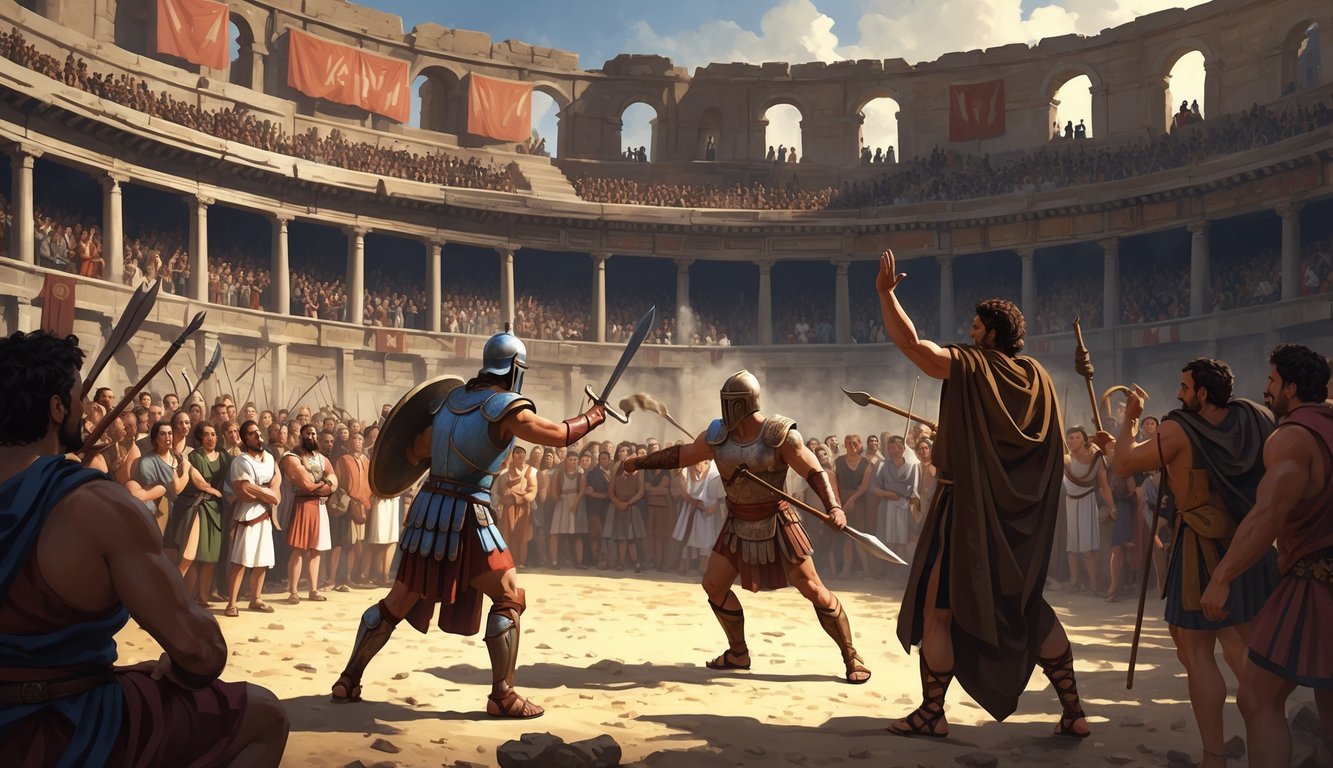
It’s hard to imagine, but people once packed arenas to watch deadly fights. Gladiator battles were massive events in ancient Rome.
These fights weren’t just about violence—they let people feel connected to their leaders and the power of Rome. Slaves, prisoners, and even some volunteers fought wild animals and each other with swords.
Crowds went wild, and the atmosphere was intense. Gladiators needed serious skill to survive, even for a little while.
You’d see a mix of bravery and danger you just don’t get in modern sports. It was sport, drama, and violence all rolled into one.
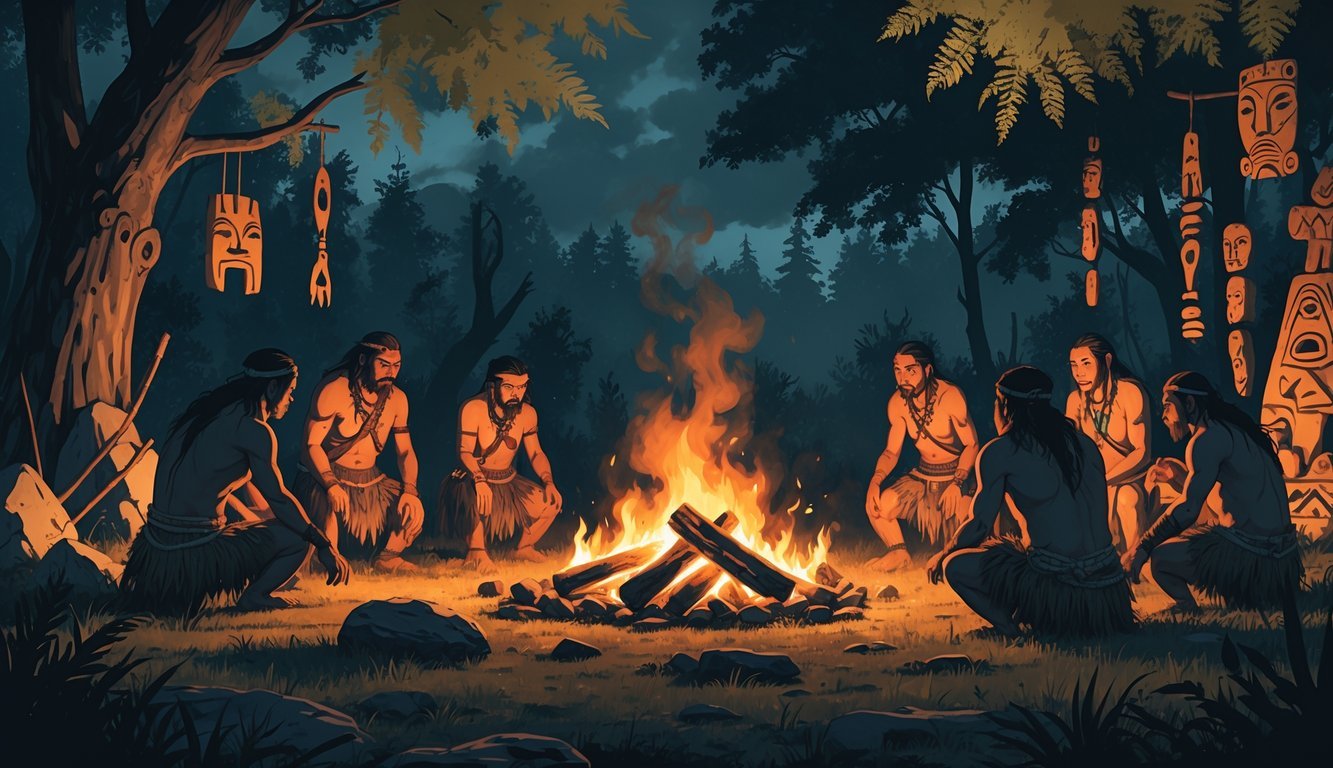
It might sound unbelievable, but cannibalism happened way more often in prehistoric times than you’d guess. Scientists have found that about one in three ancient skeletons show signs of it.
Sometimes, people did it to survive tough times. Other times, it was part of rituals or a way to show power.
The reasons changed from group to group. Today’s researchers use new tools to piece together these old stories.
It’s a creepy reminder that humans have always been full of surprises.
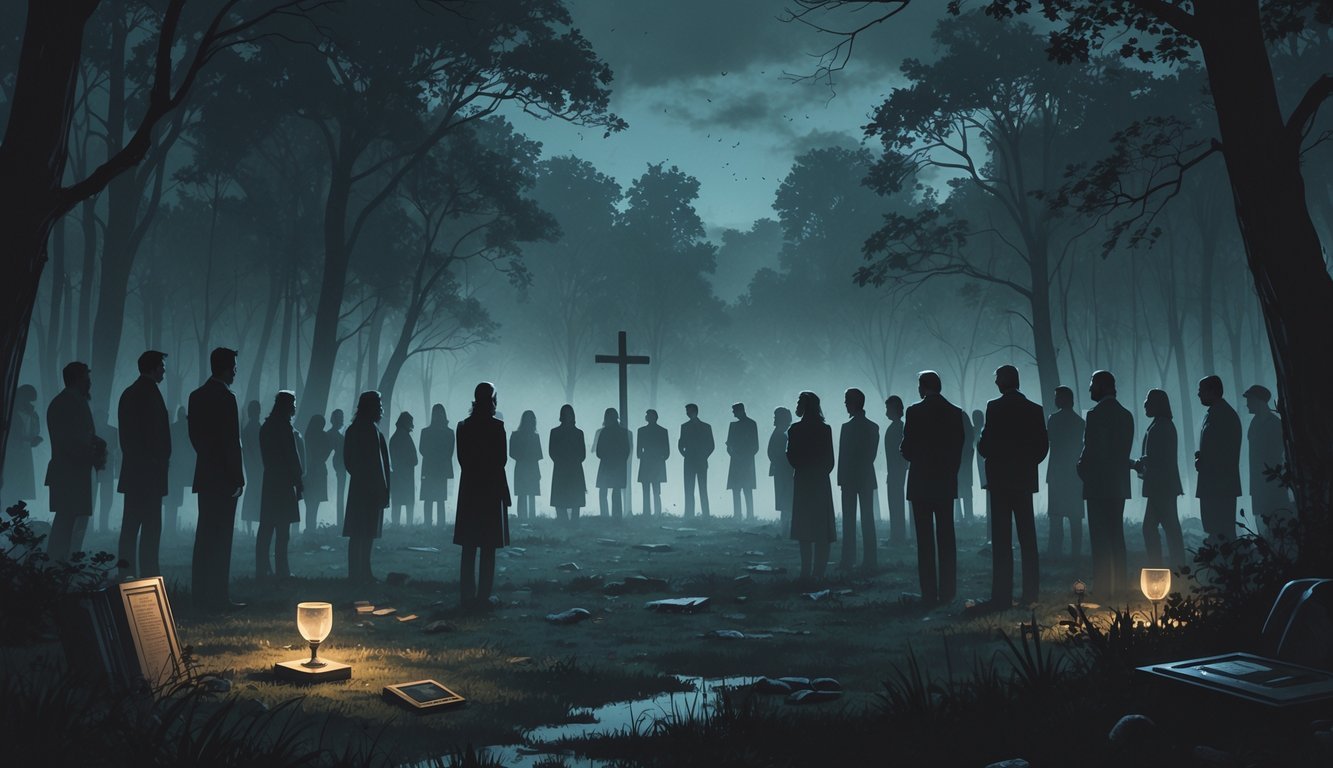
It’s chilling to realize entire groups have chosen to die together. The Jonestown tragedy in 1978 is probably the most infamous example—over 900 people died there.
Jim Jones convinced his followers to drink poison, promising they’d escape a worse fate. Many felt trapped and had no choice.
These mass suicides show how dangerous it gets when people blindly trust a leader. It’s a scary warning about how group pressure can lead to disaster.
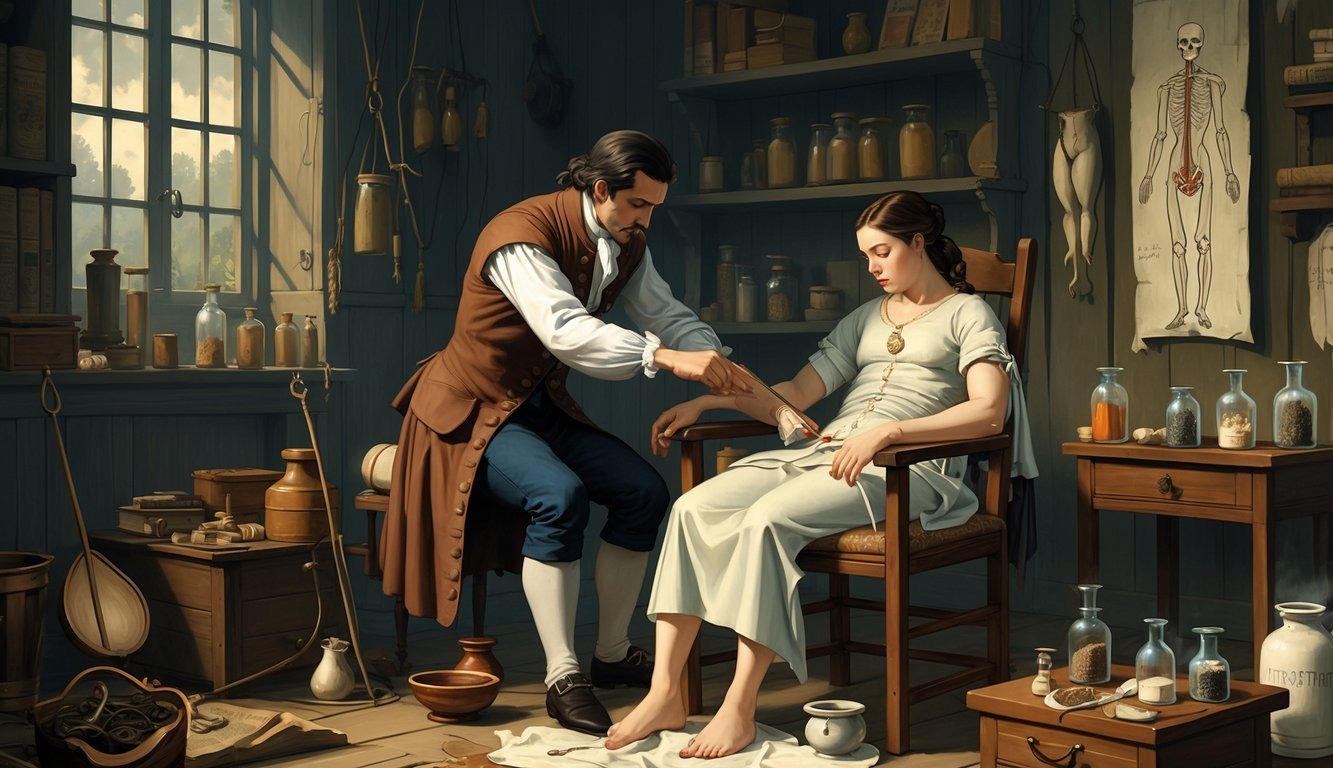
It sounds strange now, but for centuries, doctors thought draining blood would cure just about anything. Bloodletting was the go-to treatment for thousands of years.
Doctors believed it would balance the body’s “humors” and make you healthy again. Sometimes they’d cut you open, or use leeches to suck out blood slowly.
People went through this hoping to get better, but it usually did more harm than good. Bloodletting stuck around until the 1900s, believe it or not.
Today, we know it didn’t really work, but back then, it was just what people did.
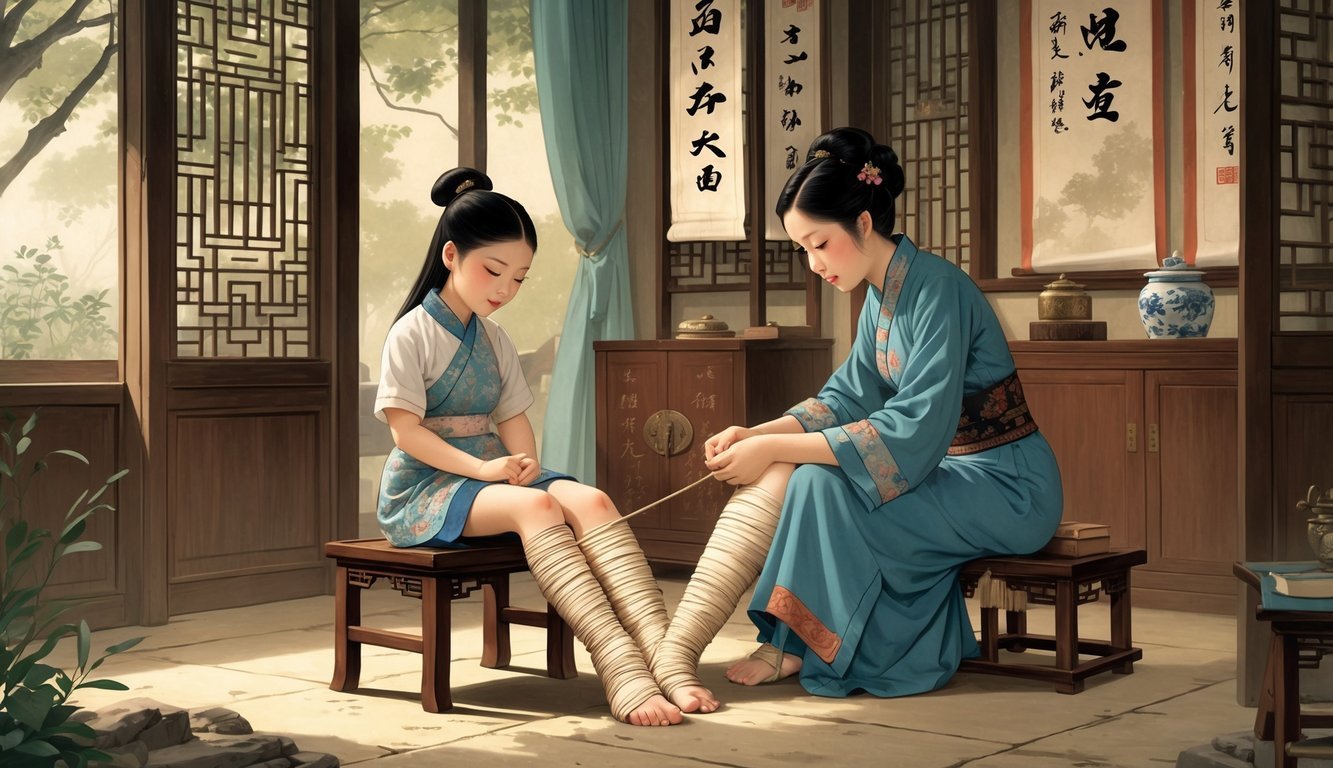
It’s shocking to think that for nearly 1,000 years, families in China forced young girls to have their feet tightly wrapped to stop them from growing. This painful process made feet tiny, which people saw as beautiful and a ticket to a good marriage.
Many women could barely walk because of it. The whole thing was about showing obedience and high status.
Families believed this would help their daughters marry well. The tradition began in the Tang and took off in the Song Dynasty.
Even though it caused serious pain and lasting damage, foot binding stuck around for centuries. Now, only a handful of elderly women still have bound feet.
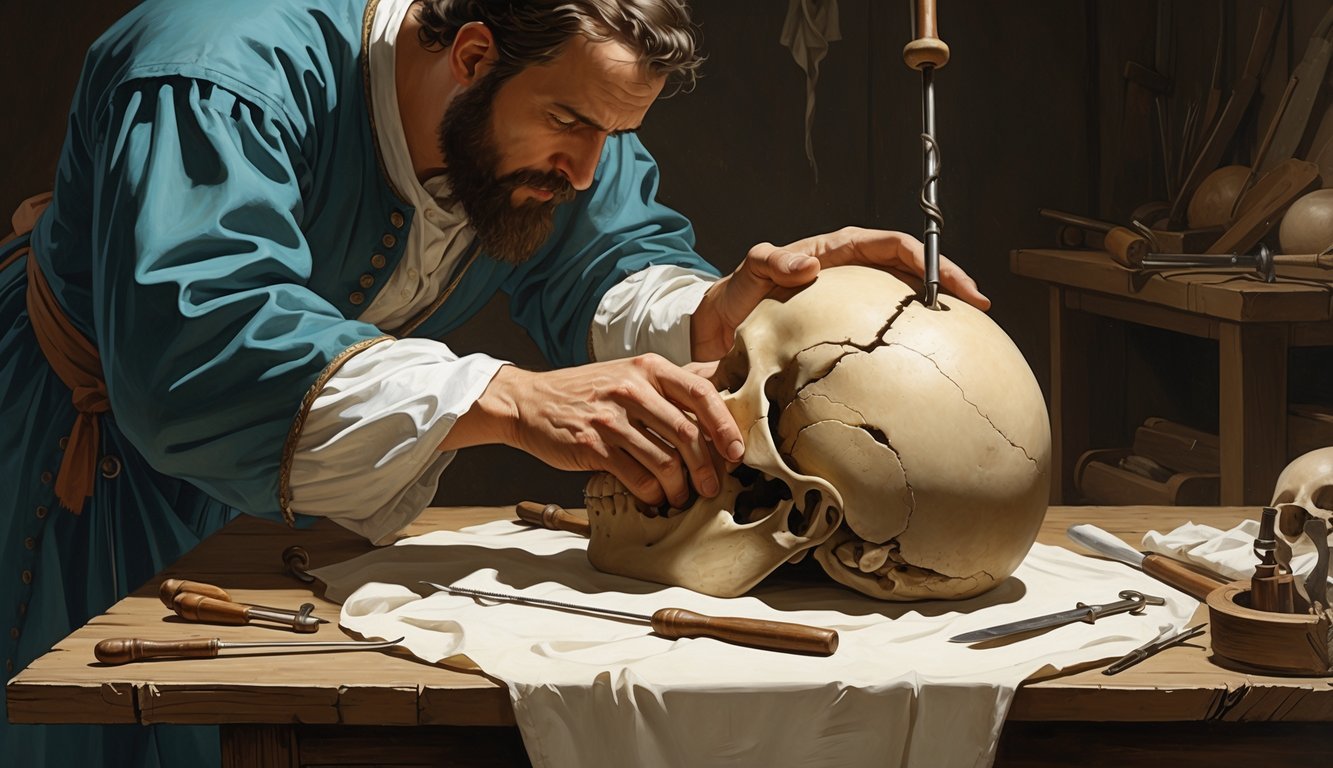
Picture surgery where someone drills a hole straight into your skull. That’s trepanning, and people have done it for more than 7,000 years!
They thought it could cure illness or let out evil spirits. Trepanning happened all over the world, from ancient France to the Americas.
People used sharp stones or simple tools to cut through the bone. What’s wild is that some folks actually survived.
It’s a creepy but fascinating look at how people tried to handle sickness and mental health before modern medicine.
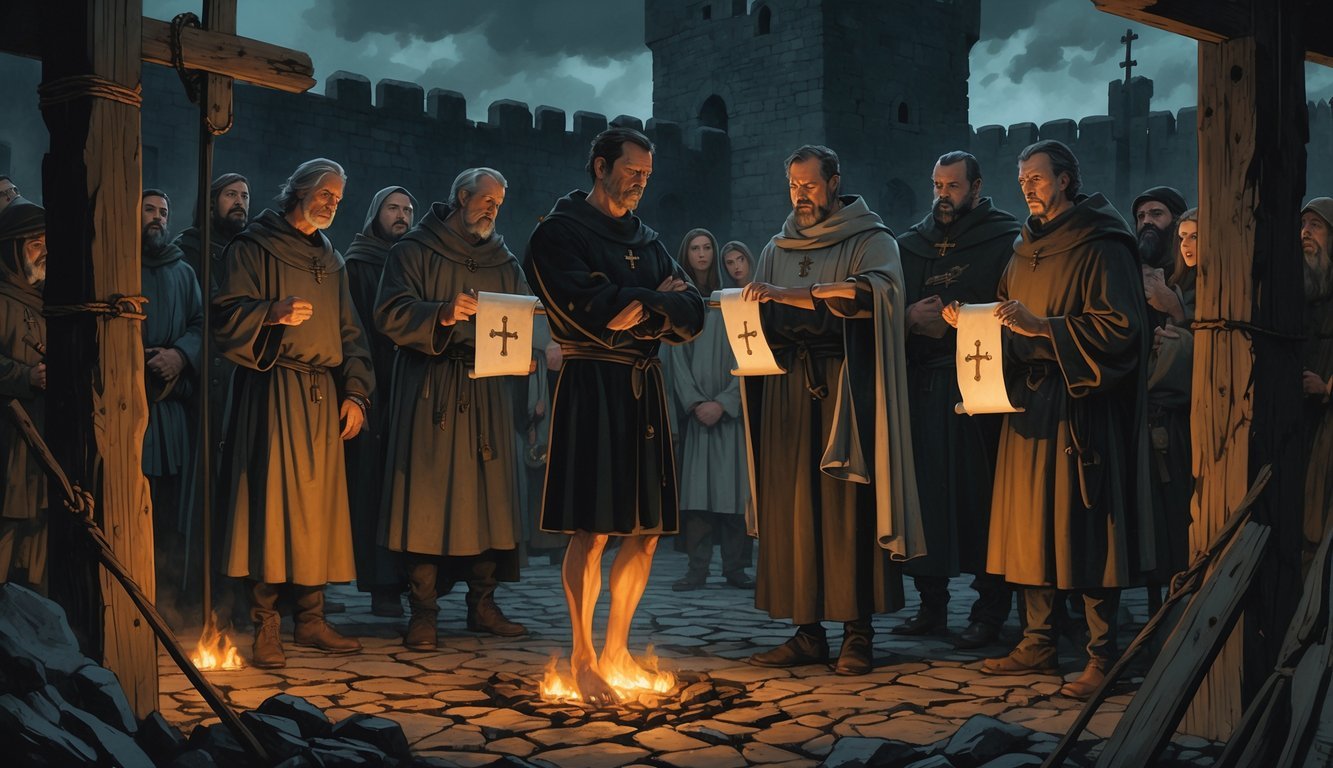
You won’t believe how people used to decide guilt! Instead of evidence, they put the accused through terrifying tests called trials by ordeal.
If you survived, people believed you were innocent. Imagine sticking your arm in boiling water or walking barefoot over hot coals to prove you didn’t commit a crime.
People thought the gods would protect the innocent. Justice back then depended more on luck and faith than facts.
It’s wild to think this was ever considered normal.
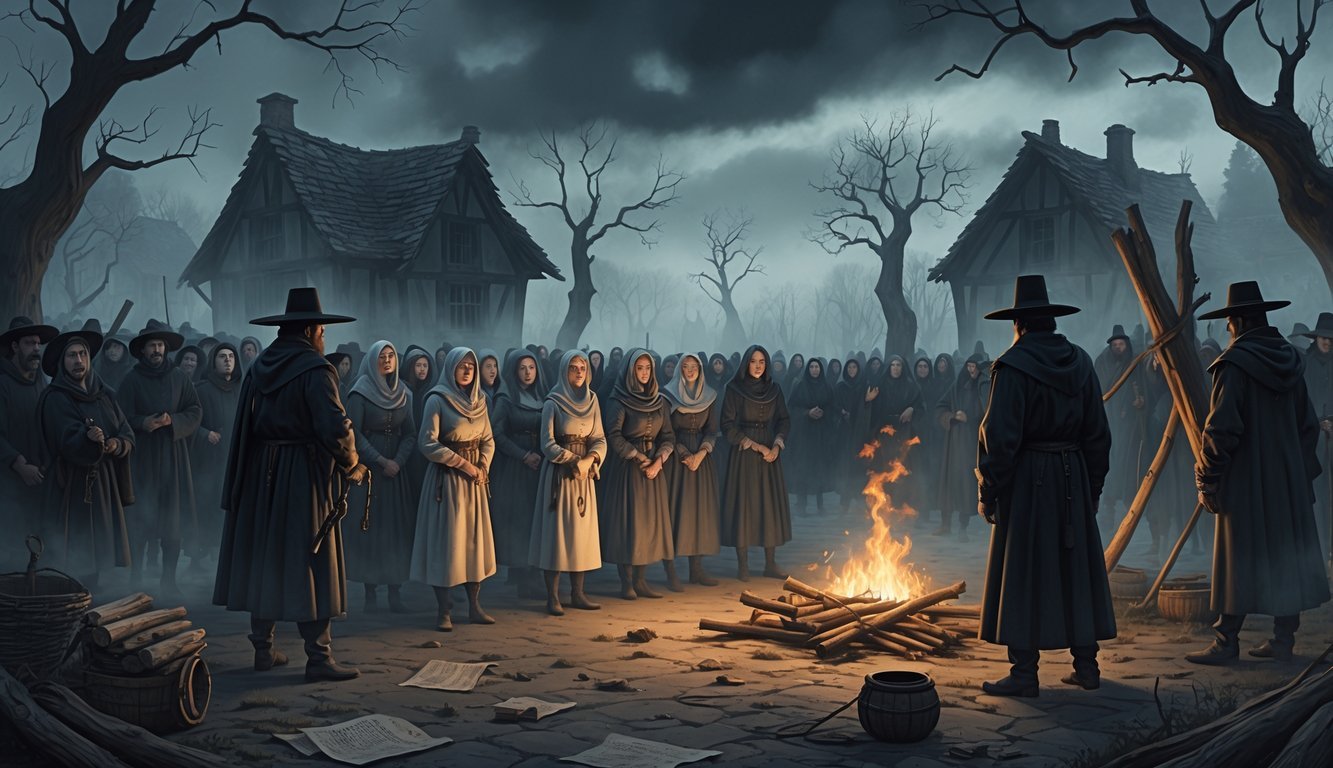
It’s shocking how many people got hunted down and killed in witch hunts. Fear and superstition ran wild, and innocent women were the usual targets.
Anyone could accuse you, and people honestly believed witches caused bad luck or disasters. Once accused, you’d face torture to force a confession.
The Salem witch trials are probably the most famous—over 200 were accused and 20 executed. Imagine living somewhere your fate could depend on someone’s suspicion.
These hunts happened across Europe too, not just America. It’s a scary reminder of how fear can spiral out of control.
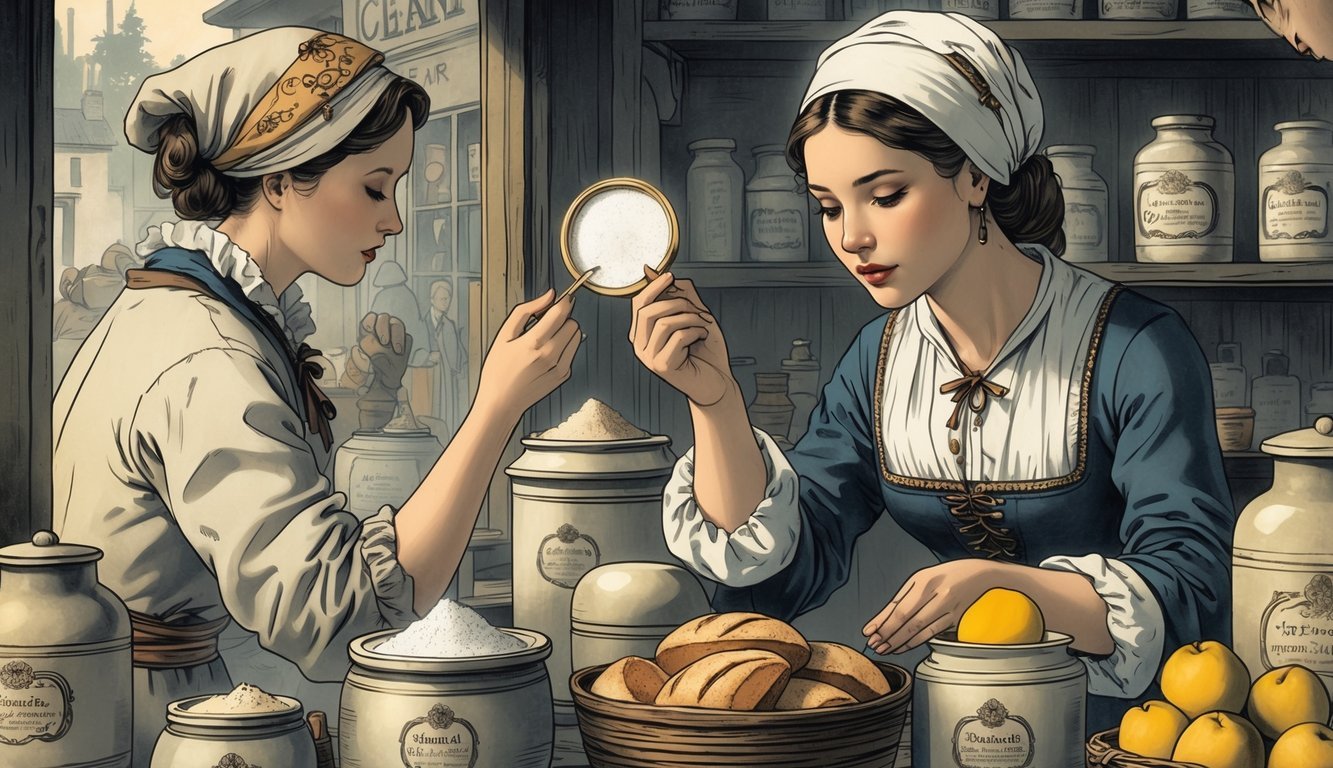
You might be shocked, but people actually used lead in their makeup and even food. In the 18th century, lead-based face paint was all the rage for a pale, smooth look.
Lead is super poisonous, though. Using it could cause seizures or hearing loss, but most folks didn’t know that back then.
Lead even ended up in wine and other foods. People liked it because it was easy to work with and made stuff look better.
No way would you catch anyone using lead in beauty or food today—it’s just too dangerous!
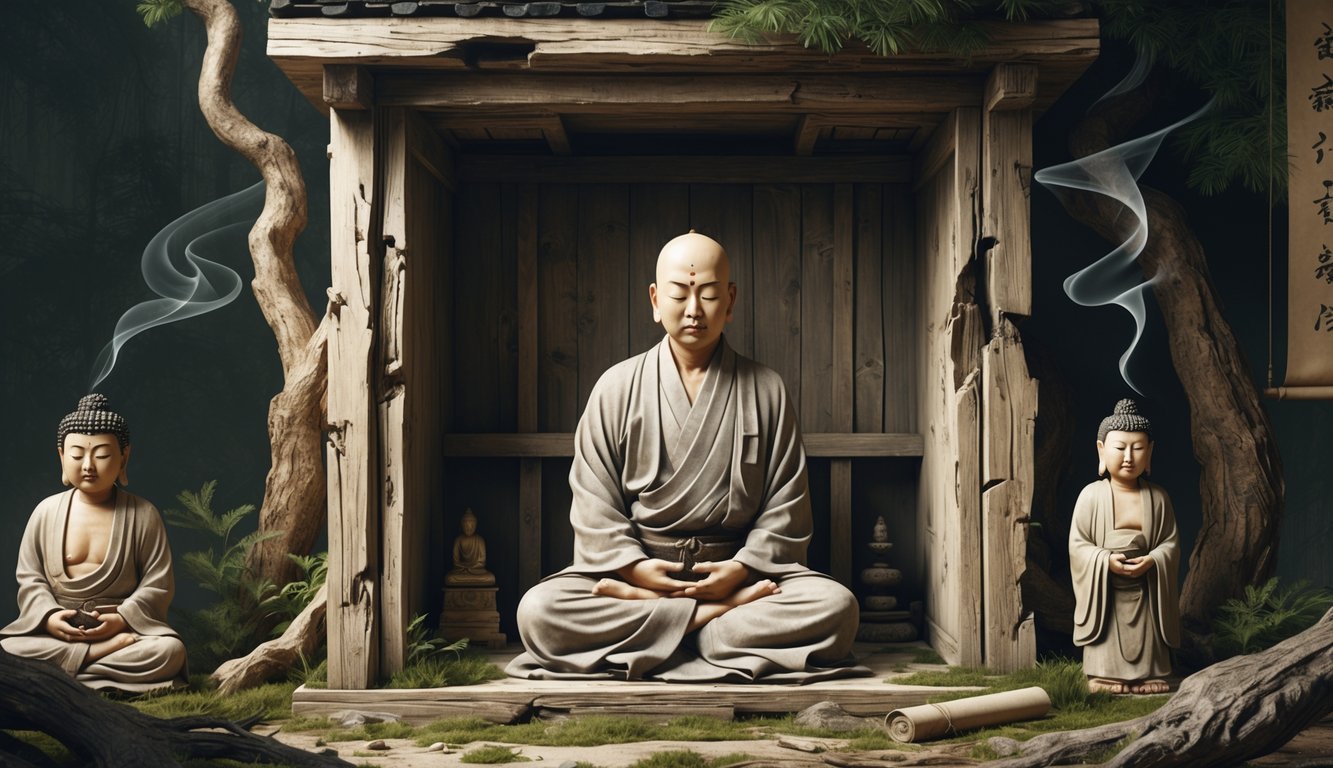
Honestly, it’s wild to think that some Japanese monks actually chose to mummify themselves while still alive. They called this process Sokushinbutsu, and it demanded an almost unbelievable level of discipline.
Monks followed a strict diet for years, eating mainly nuts, seeds, and even bark. They’d push themselves through harsh fasting and deep meditation, all to dry out their bodies and prevent decay after they died.
This practice started over a thousand years ago, and I can’t help but feel a mix of awe and discomfort at that kind of devotion. Even though authorities have banned it now, you can still find temples where these monks remain preserved and honored.
It’s haunting, sure, but there’s something fascinating about it too, isn’t there?