PsychNewsDaily Publishers
100 Summit Drive
Burlington, MA, 01803
Telephone: (320) 349-2484
PsychNewsDaily Publishers
100 Summit Drive
Burlington, MA, 01803
Telephone: (320) 349-2484

People historically used bizarre remedies like sitting in dead whales, cat pianos, and animal dung to treat ailments, reflecting their evolving understanding of health and medicine.
People have always looked for ways to heal themselves, even if some of those methods seem bizarre or downright creepy now. From ancient days to more recent times, folks trusted odd cures that might just make your skin crawl.

Some of these creepy cures actually convinced people they worked, and, believe it or not, they shaped the direction of medicine. Digging into these weird treatments really shows how much our ideas about health have changed—and, honestly, it’s wild how long some of these beliefs stuck around.

Picture this: you climb into a giant dead whale just to ease your aching joints. In the late 1800s, people actually tried it! They’d stay inside the rotting whale for about 30 hours.
The decomposing whale gave off heat and gases, turning it into a sweaty, stinky sauna. People swore this helped with arthritis or rheumatism for up to a year.
It sounds disgusting, but many thought it was totally worth it. Some even claimed they walked out feeling cured. Desperation can make you do some pretty strange things, right?

Try to imagine an instrument made of cats, each one meowing when you press a piano key. People called it the cat piano, or Katzenklavier, and the idea popped up in the 1600s and 1700s.
Some doctors genuinely believed this noisy contraption could help mental patients. They thought the racket would snap patients back to reality.
Thankfully, nobody actually built a real cat piano, as far as we know. Still, it’s wild to think doctors even considered this. Can you picture sitting in front of a piano while a bunch of cats yowl for your health? That’s… a lot.
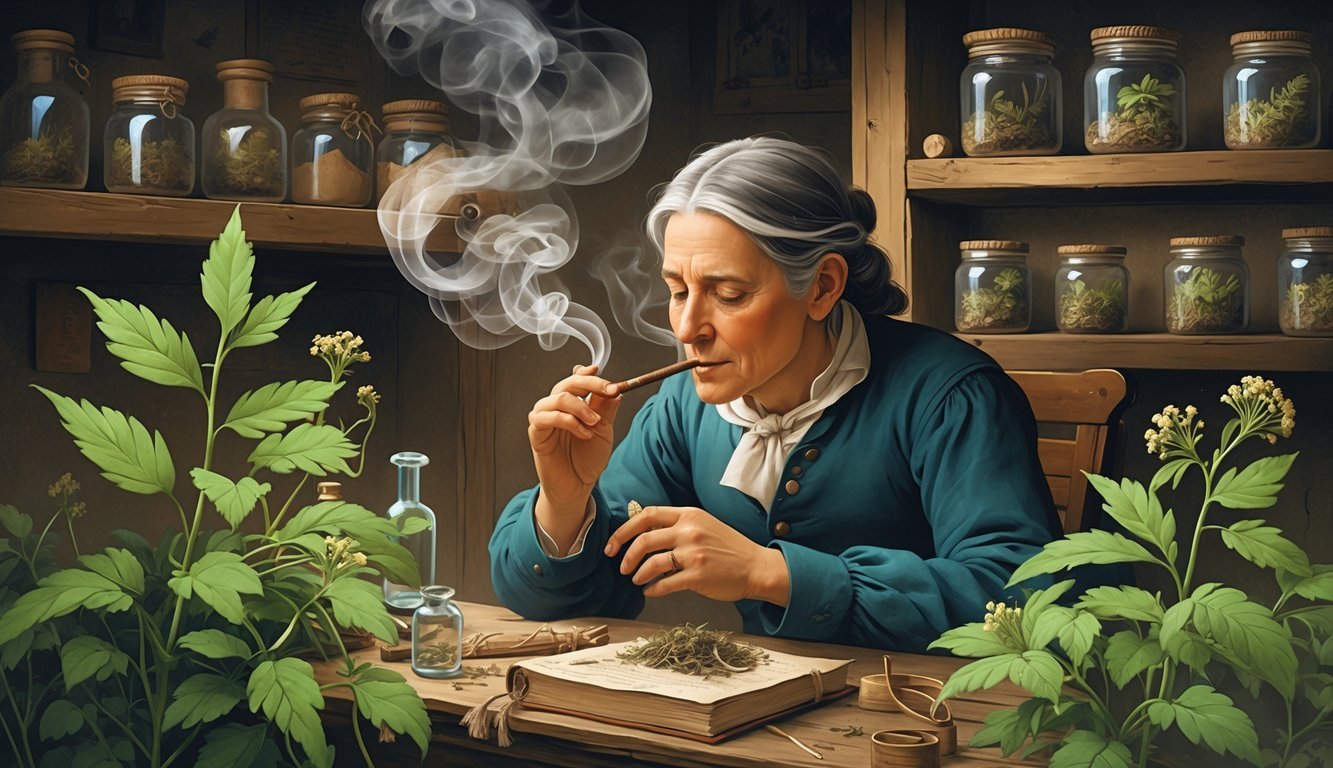
Believe it or not, people once smoked stramonium to help with asthma. This plant contains chemicals that can open up the airways a little. Back then, herbal cigarettes with stramonium hit the market as a supposed fix for breathing trouble.
People swore these cigarettes calmed asthma attacks. The smoke wasn’t clean or safe—definitely not by today’s standards—but folks felt some relief.
Even doctors recommended it before inhalers came along. It’s kind of ironic, since we now know smoke can make asthma way worse. Still, stramonium led to some of the medicines we use for breathing problems today.
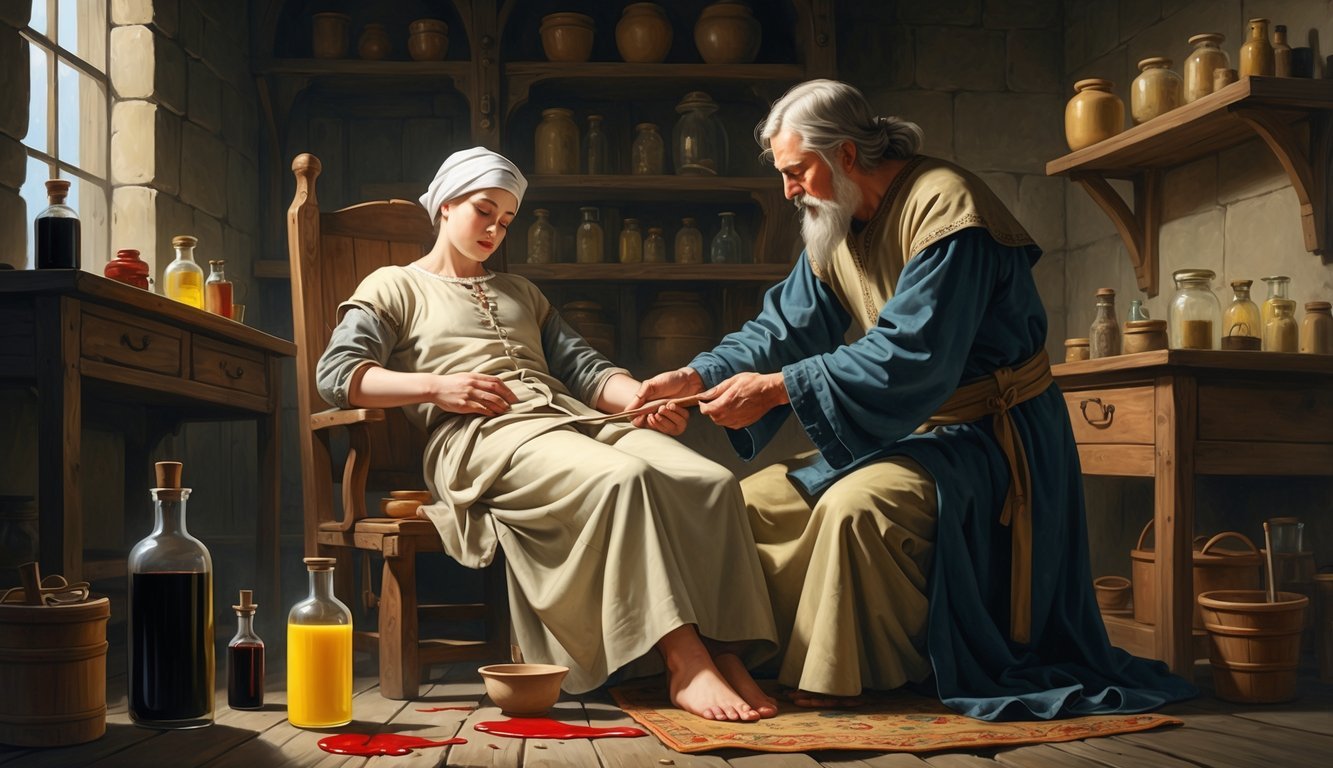
Back in the day, people believed your health depended on balancing four fluids: blood, phlegm, yellow bile, and black bile. If one got out of whack, you’d get sick.
Doctors tried to fix this by bloodletting. They’d use sharp tools or leeches to draw blood from your body.
For centuries, people trusted bloodletting as a way to restore balance and stay healthy. It sounds horrifying now, but everyone just accepted it as normal medicine.
Long ago, people actually believed drinking urine could heal all sorts of illnesses. They figured urine had special powers to clean the body and fight off disease. Some even put it on wounds or drank it to boost their immune system.
In certain cultures, urine was basically a health tonic. People thought gulping it down would help detoxify their bodies. Even now, a few folks still practice this, hoping for things like weight loss or better skin.
Urine does have some antiseptic qualities, so it might’ve helped clean cuts before modern medicine. This just shows how far people would go to get better, no matter how weird it sounds now.
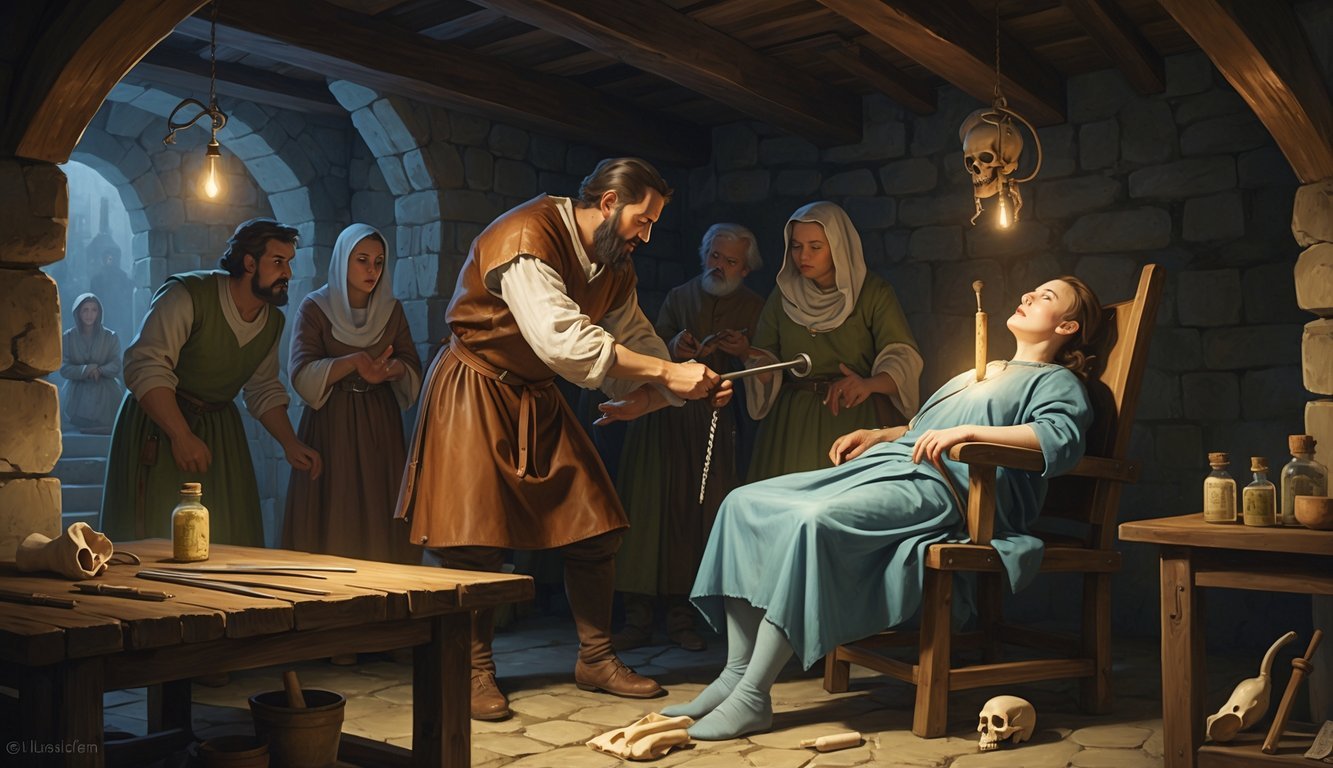
It’s hard to believe, but people once thought drilling a hole in your skull could cure mental illness. They figured cutting into the head would let evil spirits escape and heal the person. This idea goes way back to ancient times, when many blamed sickness on spirits.
Trepanning was used for things like epilepsy, insanity, and headaches. Practitioners pierced the skull but left the brain’s protective layer alone.
This practice was common in many cultures. Some even believed it worked as a charm against evil, mixing medicine with superstition. Imagine someone suggesting that today—it’s almost unthinkable.

Centuries ago, people put animal dung on wounds because they truly thought it would heal infections and stop pain.
They used all sorts of dung—cow, sheep, even crocodile poop. Some cultures believed these had special powers to fight germs.
In ancient Egypt, healers mixed fly dung with honey and smeared it on cuts. It sounds gross now, but this was just normal medicine back then.
People also thought animal dung could keep evil spirits away. So, it wasn’t just about healing—it was spiritual, too.
Trying this as a treatment today? Yeah, most of us would pass. But it shows how people made do with what they had.
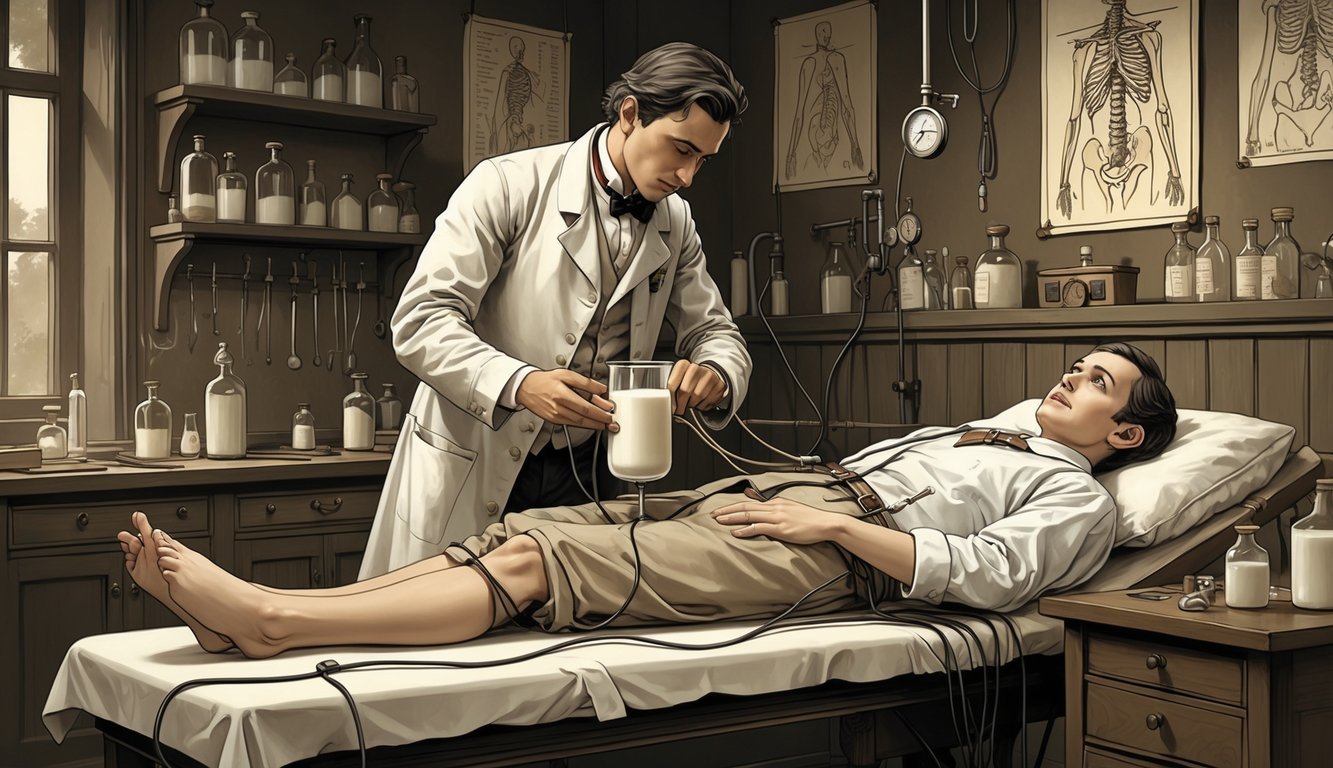
In the late 1800s, doctors tried using cow’s milk instead of blood for transfusions. They thought milk’s fats might turn into white blood cells inside the body.
Some patients with illnesses like cholera actually got these milk transfusions. Unfortunately, a lot of people had terrible reactions, and some even died.
This idea didn’t stick around for long. Scientists soon realized that only real blood from another human would work. Looking back, it’s almost hard to believe anyone thought milk could replace blood—but hey, they were trying.
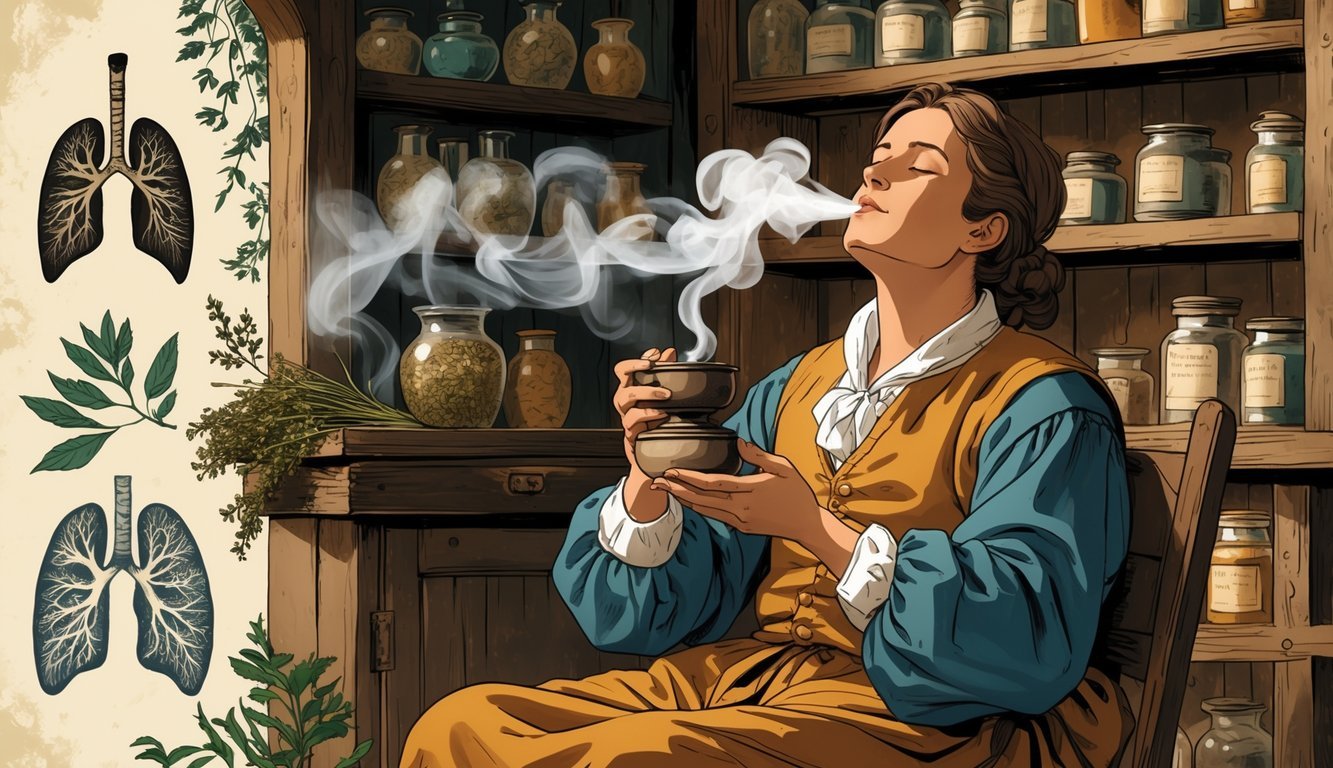
Did you know some folks genuinely believed that breathing in smoke from certain herbs could clear up their lungs? People would smoke things like mullein or eucalyptus, hoping it’d open up their airways and maybe calm a cough.
They’d turn to this method for relief from bronchial problems, and honestly, just to soothe that annoying chest irritation. The thinking was pretty straightforward: let steam and smoke work their way in, clear out mucus, and bring down inflammation.
It sounds odd to us now, but you’ll still find some cultures using herbal smoke for lung care even today. Guess you could call it an early stab at natural medicine—though, I mean, it does seem a bit unsettling, doesn’t it?